Developing Critical Skills: The Impact of Board Games on Problem Solving
Unleashing Potential Through Play
In the realm of education and skill development, the role of board games often goes underestimated. Yet, these engaging tools serve as a powerful medium for fostering critical thinking and enhancing problem-solving skills. Research shows that playing board games can lead to significant cognitive gains, especially in children and adolescents. Board games are not just entertainment; they are sophisticated learning platforms that can shape young minds in profound ways.
The Benefits of Board Games
Board games teach important skills in a fun and interactive way. Some of the benefits include:
- Strategic Thinking: Players must plan ahead and anticipate opponents’ moves. For instance, games like Chess or Settlers of Catan require players to evaluate multiple options and predict actions, a skill useful in academic settings and real-life situations.
- Decision-Making: Each turn involves choices that affect outcomes. In games like Ticket to Ride or Pandemic, players face challenges where they must weigh risks against potential rewards, echoing critical decisions made in everyday life.
- Collaboration: Many games require teamwork, fostering partnerships and communication. Cooperative games such as Forbidden Island or Ghost Stories compel players to work together to achieve a common goal, teaching vital interpersonal skills that are increasingly important in the modern workforce.
These attributes are crucial in today’s complex world, where problem-solving is an essential life skill. The engaging nature of board games can accelerate learning, allowing players to think critically and creatively. Studies suggest that children who regularly engage in board gaming show improved math skills, reading comprehension, and social interactions. Such games provide an informal learning environment where skills are acquired naturally rather than through traditional rote memorization.
As parents, educators, and policymakers explore new ways to develop such vital skills, board games offer a unique avenue for progress. For example, the resurgence of tabletop games during the COVID-19 pandemic became a bonding experience for families, highlighting their role in promoting social interactions and emotional well-being.
Exploring the Impact
As we delve deeper into this topic, we’ll uncover the mechanics behind how playing board games cultivates these critical skills. Interestingly, educational board games have been implemented in classrooms across the United States, with teachers noting improvements in student engagement and comprehension. Games designed specifically for educational purposes, such as Math Dice or Scrambled States of America, further illustrate how game mechanics can reinforce learning concepts.
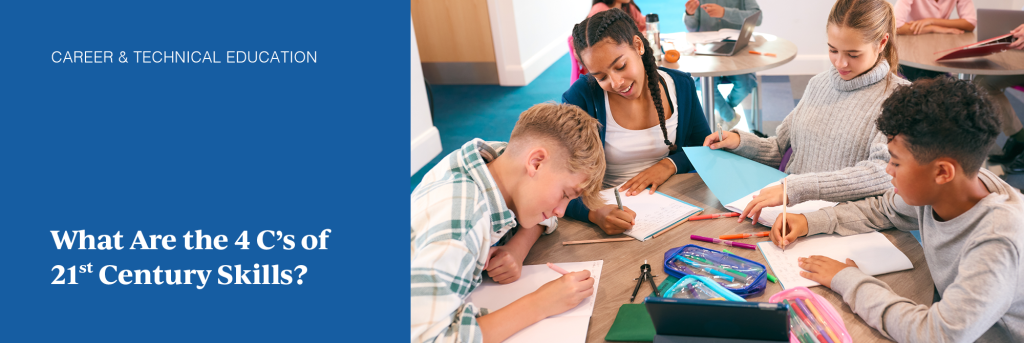
Join us on a journey where play meets learning, revealing insights that may just change the way you view board games. By understanding the profound educational benefits of these games, we can reshape our approach to learning and skill development, ultimately preparing future generations for the challenges and intricacies of modern life.
DIVE DEEPER: Click here to learn how crossword puzzles boost your memory!
Board Games as Tools for Cognitive Development
To understand the connection between board games and problem-solving skills, it is essential to dissect the mechanics that facilitate cognitive learning. Board games not only entertain but also challenge players to navigate obstacles, think creatively, and devise strategies. This engagement can assist in honing critical skills that are transferrable to various academic and real-world tasks.
At the core of many board games lies the necessity for strategic planning. For instance, in games such as Chess or Risk, players must develop tactics that anticipate both their next moves and their opponents’. This strategic approach mirrors the planning necessary in educational contexts, where students must organize their thoughts, manage their time, and evaluate various approaches to problem-solving. Engaging in these games fosters a mindset that is not just focused on immediate outcomes but also on long-term success.
Hands-On Learning Through Interaction
The interactive nature of board games makes them particularly effective at promoting decision-making abilities. Each round often presents players with choices that can lead to victory or defeat, compelling them to assess risks and benefits meticulously. For instance, in a game like Pandemic, players must decide whether to allocate resources to treat infections or focus on completing objectives necessary to win the game. Such real-time decision-making mimics critical choices faced in everyday life, allowing players to practice weighing options in a low-stakes environment.
Moreover, the collaborative aspect of many board games enhances teamwork and communication skills. An excellent example can be seen in cooperative games like Forbidden Island, where players must work together to overcome challenges. This collaboration can significantly improve interpersonal abilities that are invaluable in classroom settings and future workplaces. The interactive and social dynamics of these games lead to enhanced emotional intelligence, as players must listen, negotiate, and adapt to others’ strategies.
Beyond immediate learning outcomes, board games contribute to the cultivation of a growth mindset—a concept popularized by psychologist Carol Dweck. Players learn to embrace challenges, persist in the face of setbacks, and view effort as a pathway to mastery. This approach is crucial for developing critical thinking, as players often must reassess their strategies based on the evolving game dynamics. Research consistently shows that those who engage in strategic games develop better resilience and adaptability.
The Science Behind Gaming and Learning
Numerous scientific studies support the argument that board games serve as potent cognitive tools. For example, a study published in the journal Computers & Education indicated that students played games with a well-structured narrative and goal-oriented tasks exhibited greater engagement and improved problem-solving capabilities compared to traditional educational methods. Furthermore, learning games have been actively incorporated into curricula across schools in the United States, where educators report enhanced student performance and enthusiasm for learning.
As we continue to explore the depths of board games’ influence on skill development, it becomes clear that these strategic play experiences extend beyond mere entertainment. They present an innovative framework for nurturing the skills essential for navigating the complexities of modern life—a worthy endeavor in our ever-evolving educational landscape.
Exploring the Influence of Board Games on Critical Thinking
Board games have long been celebrated not only for their entertainment value but also for their profound impact on cognitive development and problem-solving skills. As players engage in strategic thinking, they encounter various challenges that compel them to analyze, critique, and adapt their methods. This interactive environment fosters an essential aspect of learning known as critical thinking.In addition to honing reasoning capabilities, board games provide a unique platform for collaborative learning. Many games require teamwork, prompting players to communicate effectively, share ideas, and negotiate solutions. This collaboration can lead to improved relational skills, which are increasingly recognized as vital in both personal and professional contexts. By fostering a sense of cooperation, board games can enhance an individual’s ability to work cohesively within a group setting.Moreover, certain board games are specifically designed to mirror real-life scenarios, thereby encouraging players to think through complex problems systematically. Games like “Settlers of Catan” or “Pandemic” entail resource management and strategic planning, which challenge players to weigh their options carefully and anticipate the consequences of their decisions. Such experiences can translate to real-world situations, fostering a mindset that emphasizes creativity and adaptability when faced with obstacles.Incorporating board games into educational settings offers an enriching experience, as educators can align game mechanics with learning objectives. Studies suggest that when students participate in game-based learning, their retention rates and engagement levels increase significantly. This practice not only reinforces knowledge but also builds resilience, encouraging learners to embrace failure as a stepping stone to success. By providing a structured yet dynamic environment, board games serve as powerful tools for developing problem-solving skills. Through their multifaceted approach, these games cultivate an atmosphere of curiosity and innovation—qualities that are indispensable in today’s fast-paced world.
| Advantage | Description |
|---|---|
| Enhanced Strategic Thinking | Players develop strategic planning and foresight through complex game scenarios. |
| Team Collaboration | Games encourage effective communication and teamwork, vital for group dynamics. |
The dynamic interplay of competition and cooperation in board games provides a safe yet stimulating arena for individuals to cultivate critical skills necessary for problem-solving. By continuing to explore and integrate these elements in various settings, we unlock a plethora of possibilities for enhancing cognitive development in an enjoyable way.
DISCOVER MORE: Click here to uncover the benefits of memory games
Engagement and Motivation through Board Games
One of the compelling reasons board games excel as tools for developing critical skills lies in their inherent ability to boost engagement and motivation. Unlike traditional educational settings, where learning can sometimes feel passive, board games create a dynamic learning environment. This promotes not only active problem solving but also a sense of ownership over one’s learning journey. When players are invested in the outcome of the game, they are likely to put forth more effort, search for creative solutions, and show increased resilience when faced with challenges.
Research indicates that games provide a sense of purpose that enhances learning retention. For instance, a study conducted by the American Psychological Association found that students who learned through play could remember information better and apply it more effectively than those who adhered strictly to conventional teaching methods. The immersive nature of games can pique interest and lead learners to explore subjects in-depth beyond the game itself, fostering curiosity and a passion for lifelong learning.
Adaptability and Flexibility in Strategy
The ability to adapt strategies is another fundamental skill nurtured by board games. Players are constantly confronted with shifting scenarios that require them to modify their approaches to succeed. Take the game of Catan, for example. Players must navigate resource allocation, trade negotiations, and unforeseen roadblocks from their neighbors. This necessity to adjust strategies enhances cognitive flexibility, a skill that facilitates the ability to switch between different concepts or perspectives—a vital ability in today’s multi-faceted world.
Moreover, a noteworthy feature of board games is their capacity to foster risk assessment skills. In games like Monopoly or The Game of Life, players are required to evaluate the potential risks and rewards of their decisions. This mirrors real-life scenarios where individuals must make calculated decisions regarding finances, career paths, and relationships. Engaging in such gameplay allows players to practice these decision-making paradigms in a controlled, risk-free environment, preparing them for future challenges.
Board Games’ Role in Social-Emotional Learning
Another underexplored benefit of board games lies in their contributions to social-emotional learning (SEL). They provide platforms for players to navigate social dynamics, manage emotions, and engage in ethical reasoning. As players interact, they encounter conflicts and disagreements, leading to the development of conflict resolution strategies that are essential for building healthy relationships both personally and professionally.
The collaborative nature of board games, especially those designed to be played in teams, can bolster social skills. Games like Codenames require players to communicate and strategize effectively while maintaining respect for diverse perspectives. This interaction cultivates crucial soft skills that are increasingly valued in workplaces across the United States, where strong communication and teamwork contribute to overall success.
Incorporating board games into educational frameworks not only aids in developing cognitive skills but also addresses the need for emotional and social growth. As classrooms evolve, leveraging board games can create well-rounded individuals capable of thriving in an increasingly complex world. With the explosive growth of board game cafes and communities in the U.S., it’s an exciting time to explore these benefits and transform how we approach learning.
DISCOVER MORE: Click here to delve deeper
Conclusion: The Transformative Power of Board Games
As we navigate the complexities of modern life, the importance of developing critical skills cannot be overstated. Board games emerge as a multifaceted tool for fostering essential problem-solving abilities, adaptability, and social-emotional skills. Through their dynamic gameplay, these games generate not only significant engagement and motivation but also a rich environment for actively honing strategic thinking. Players learn to evaluate risks, adjust strategies, and embrace challenges in a safe, collaborative setting.
Furthermore, the role of board games extends beyond mere cognitive skill development. These games promote critical aspects of social-emotional learning, encouraging players to engage with peers, resolve conflicts, and communicate effectively. This holistic development prepares individuals to thrive in various settings, from school to the workplace, where teamwork and innovative thinking are increasingly valuable.
The rising popularity of board games in communities across the United States—spurred by cafes and clubs—offers a unique opportunity to integrate these activities into educational frameworks. By embracing the educational potential of board games, we can cultivate curious, resilient, and adaptable learners capable of facing real-world challenges. In an era where traditional teaching methods often fall short, the case for utilizing board games as a key component of learning becomes clearer than ever. Their ability to engage, motivate, and develop foundational skills for life positions them as a powerful ally in shaping the future of education.
Related posts:
Visual Puzzles: Developing Intuition and Critical Analysis
Spatial Reasoning in Action: The Role of 3D Puzzles in Solving Challenges
The Art of Strategy: How Card Games Stimulate Problem Solving
The Psychology Behind Logic Games: How to Solve Problems Through Puzzles
The Impact of Team Strategy Games on Collaborative Problem Solving
Word Puzzles: Stimulating Creativity and Linguistic Problem-Solving

Linda Carter is a writer and puzzle expert specializing in mind games, brain teasers, and cognitive challenges. With extensive experience helping individuals enhance their problem-solving skills and think critically, Linda shares her knowledge on our platform. Her goal is to empower readers with practical advice, engaging puzzles, and strategies to sharpen their minds and achieve success in the captivating world of mind games and puzzles.