
Exploring the Cognitive Benefits of Creative Games: How Mental Challenges Can Enhance Creativity
Unleashing Your Mind’s Potential
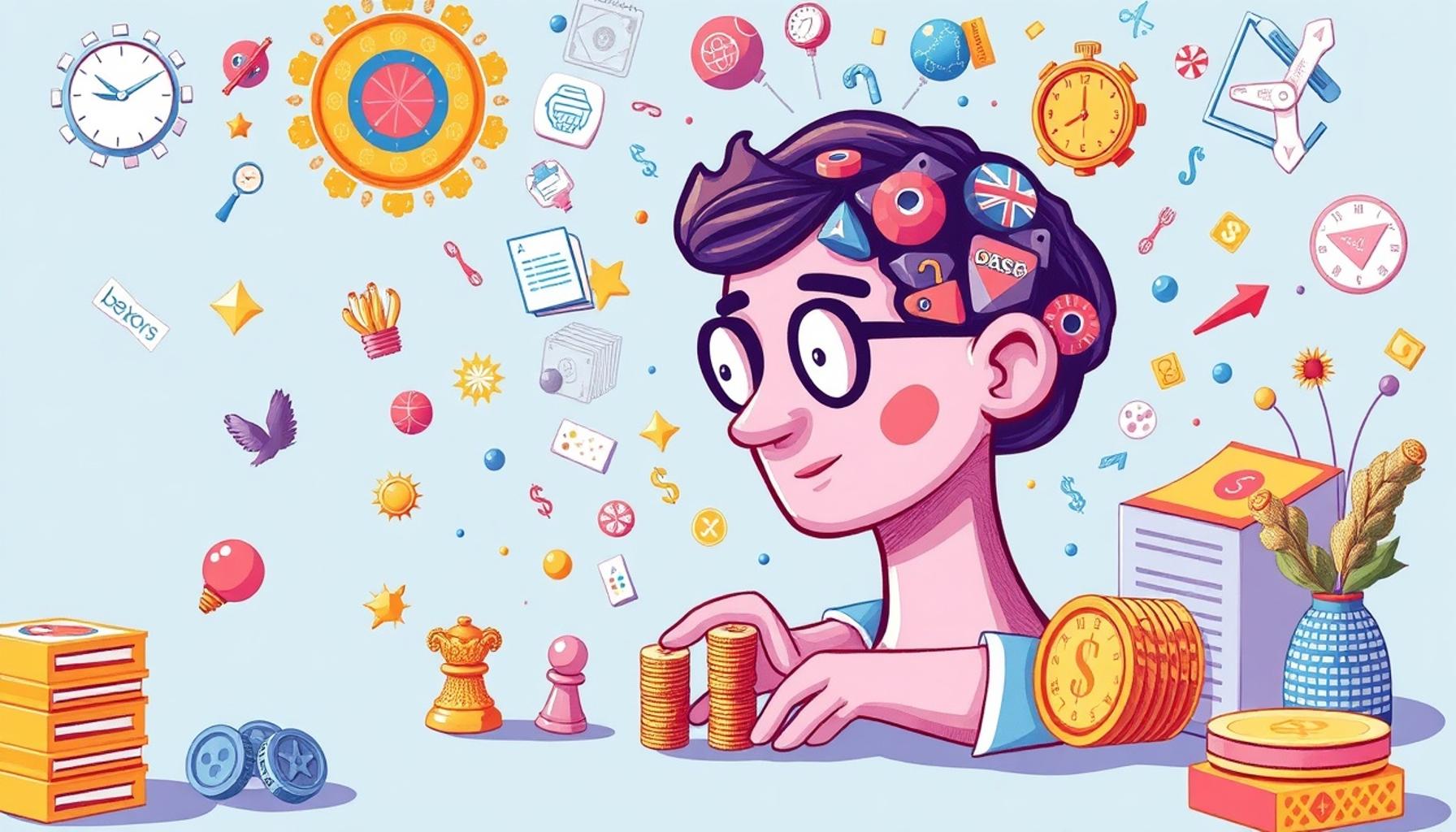
In today’s fast-paced world, finding avenues to stimulate creativity has become essential. One promising approach lies in creative games that challenge the brain. These games are not just for entertainment; they encompass cognitive benefits that can enhance your imaginative skills.
The Role of Mental Challenges
Mental challenges can significantly influence how we think and create. Engaging in such activities can lead to improvements in:
- Problem-solving skills: Tackling game puzzles stimulates analytical thinking. For example, games like Sudoku and chess require players to think several moves ahead, fostering a mindset geared toward effective problem resolution.
- Memory enhancement: Games often require recalling information, strengthening memory. Card games, such as Memory or Concentration, force players to remember the locations of cards, improving both short-term and long-term memory retention.
- Focus and concentration: Sustaining attention in creative tasks cultivates discipline. Activities like escape room challenges demand players remain focused on clues while collaborating with others, enhancing both individual concentration and team dynamics.
Moreover, the variety of creative games available today encourages diverse thinking. From strategy-based board games to innovative mobile applications, the options are vast, catering to different interests and age groups. Individuals can explore:
- Card games that enhance strategic thinking, like Magic: The Gathering, where players must not only strategize during gameplay but also anticipate opponents’ moves.
- Puzzles that promote spatial reasoning. Jigsaw puzzles, for instance, encourage players to visualize completed pictures, enhancing their ability to organize and manipulate mental images.
- Creative writing challenges that stimulate linguistic skills, such as NaNoWriMo (National Novel Writing Month), where participants are motivated to write a novel within a month, stretching their creativity and narrative capabilities.
According to various studies, engaging regularly in creative games can lead to increased brain plasticity, allowing for a more flexible and adaptable mind. This adaptability is crucial in today’s dynamic environment, where innovation is often the key to success. Researchers have discovered that regular participation in mentally stimulating activities not only enhances cognitive function but may also serve as a protective measure against age-related cognitive decline.
This exploration reveals how these mental challenges can not only enhance skills but also transform the way individuals approach creativity. By integrating creative games into daily routines, one can cultivate a mindset that readily embraces new ideas and solutions. Consequently, in a world flooded with information and distractions, harnessing the power of creativity through these games can be your advantage. So why not embark on this journey and unlock your mind’s potential today?
DISCOVER MORE: Click here to learn about the impact of memory games
Creative Games: A Catalyst for Cognitive Growth
Creative games serve as a powerful catalyst for cognitive growth, inviting individuals to experience a world where creativity and critical thinking intertwine. Engaging in these mental challenges can significantly boost cognitive functioning and nurture an innovative mindset, providing benefits that extend beyond mere entertainment. The landscape of creative gaming encompasses an array of activities that cater to various demographics and preferences, presenting opportunities to enhance creativity in multiple ways.
Boosting Cognitive Skills through Engagement
At the core of the cognitive benefits derived from creative games lies their ability to engage players in thoughtful processes. When individuals immerse themselves in such gameplay, they often find themselves grappling with challenges that require a blend of creativity, logic, and strategic planning. Here are some key cognitive skills that can be enhanced through these games:
- Creative Thinking: Games that encourage scenario building, like role-playing games (RPGs), allow players to devise unique strategies and solutions. This practice fosters creative thinking as players are tasked with imagining intricate storylines and character developments.
- Analytical Reasoning: Strategy-based games, such as Settlers of Catan or Ticket to Ride, challenge players to make decisions based on resource management, spatial awareness, and predictive analytics. This analytical approach enhances one’s ability to assess situations critically and make informed choices.
- Collaboration and Communication: Many creative games, especially those rooted in team dynamics, facilitate communication and teamwork. Participating in cooperative games requires strong interpersonal skills, enhancing one’s ability to share ideas and negotiate effectively.
The advantages of these cognitive games stretch into various aspects of daily life. For instance, engaging in puzzle games like Portal encourages players to approach problems from multiple angles, enhancing their flexibility in thought and adaptability. Such skills are invaluable in modern workplaces where innovation and problem-solving are highly sought after.
Research indicates that the effects of regular engagement in creative games lead to improved cognitive efficiency. A study published in the journal “Frontiers in Psychology” highlights that participants who engaged in creative gameplay demonstrated notable gains in divergent thinking—an essential component of creativity that allows individuals to generate new and varied ideas.
Furthermore, creative games provide a safe space for experimentation. They allow players to test hypotheses, make mistakes, and learn from them in a low-stakes environment. This cycle of trial and error is fundamental for nurturing resilience and fostering a growth mindset, both of which are key attributes for creative success.
As the landscape of creative gaming continues to evolve, emerging genres and platforms expand the potential for cognitive enhancement. In a world saturated with screens, integrating more of these innovative challenges into our routines can unlock levels of creativity previously thought unattainable. Through the exploration of creative games, individuals can find new pathways to enhance their cognitive abilities and ultimately redefine their approach to creativity.
Exploring the Impact of Creative Games on Cognitive Skills
Creative games have become an essential element in understanding how mental challenges can significantly enhance cognitive creativity. By engaging in such games, individuals are invited to think outside the box and approach problems in a variety of innovative ways. This cognitive flexibility is crucial in both personal and professional realms. The allure of creative games lies not just in entertainment, but also in their capacity to sharpen critical thinking skills and develop problem-solving techniques. For instance, puzzle games enhance spatial awareness and analytical abilities, while role-playing games stimulate imaginative thinking and narrative skills. By frequently participating in these mental challenges, players are likely to discover new strategies, leading to unexpected insights and original ideas.Furthermore, the collaborative aspects of many creative games foster teamwork and social interaction, creating an atmosphere conducive to creativity. When players brainstorm together, they can expose themselves to diverse perspectives, leading to enriched ideas and innovative solutions that might not surface through solitary thought processes.To better illustrate the numerous advantages of creative games, consider the following table that highlights both categories and benefits associated with these mental challenges:
| Category | Benefits |
|---|---|
| Cognitive Flexibility | Encourages innovative solutions to problems. |
| Critical Thinking | Sharpened skills for analysis and evaluation of ideas. |
| Social Interaction | Fosters teamwork and diverse idea-sharing. |
| Imagination Boost | Stimulates creative thinking and new perspectives. |
In summary, the engagement with creative games opens up avenues for enhancing cognitive abilities that are critical in today’s fast-paced world. By continually challenging oneself through these games, the development of a more adaptable and innovative mindset can be achieved.
DIVE DEEPER: Click here to discover more
Unlocking Imagination: The Role of Game Mechanics
The particular mechanics embedded within creative games are instrumental in promoting cognitive benefits. By experimenting with various formats and rules, game designers create unique frameworks that challenge players to think innovatively. This notion is encapsulated in the concept of game design as a learning tool, where mechanics such as point scoring, level progression, and narrative branching drive cognitive engagement. For instance, sandbox games like Minecraft provide a platform where players can construct their own worlds, encouraging limitless creativity. Participants learn to manipulate in-game resources while nurturing problem-solving skills by imagining solutions to complex construction challenges.
Storytelling as a Cognitive Development Tool
Another vital component of cognitive enhancement through creative games lies in storytelling. Games that incorporate rich narratives—such as The Legend of Zelda or Life is Strange—immerse players in intricate worlds, necessitating a deeper understanding of characters and plots. Through immersion in these stories, players are compelled to analyze and interpret character motivations and decisions. Cognitive psychologists argue that this level of engagement promotes empathy and improves narrative comprehension, skills that are transferable to real-life social interactions. In fact, a study from the University of Colorado has shown that individuals who engage with narrative-rich games exhibit higher levels of emotional intelligence.
The Benefits of Gamification in Education
Educational tools leveraging creative game mechanics have proved transformative in schools across the United States. Programs that incorporate gamification—like Kahoot! or Quizizz—demonstrate enhanced student motivation and participation. The interplay of competition and collaboration within these games fosters a classroom atmosphere where creativity flourishes. A report from the Institute of Play highlights a dramatic increase in student engagement resulting from learning through play, further cementing the correlation between game-based learning and cognitive skill enhancement.
Digital vs. Analog Creative Games
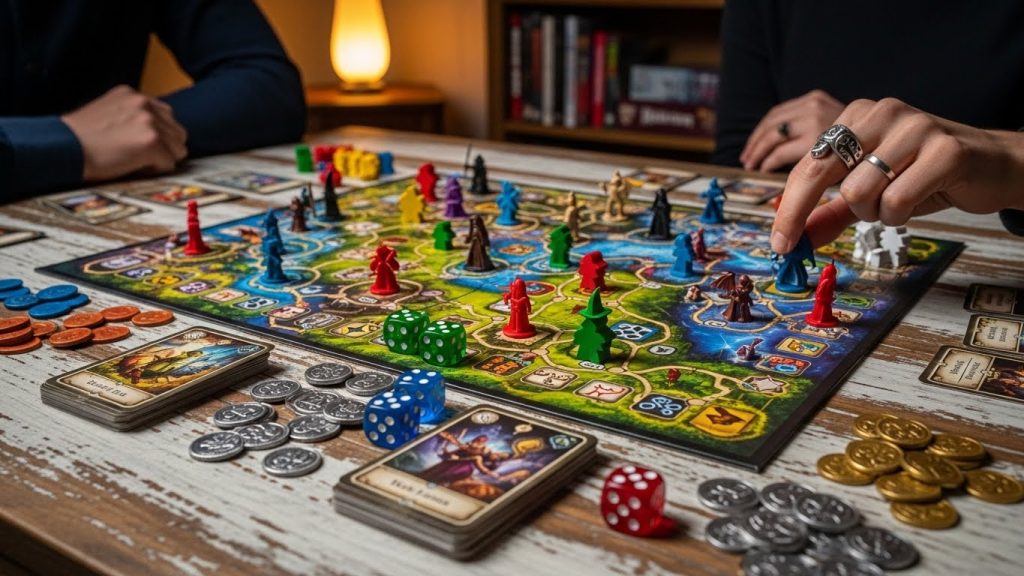
The debate around digital versus analog creative games emphasizes the diverse benefits both environments provide. While digital games may offer immersive experiences with advanced graphics and interactive narratives, traditional board games like Dixit or Codenames also remarkably stimulate creativity and cognitive efficiency. Numerous studies suggest that analog games promote face-to-face interaction, which fosters collaboration and enhances communication skills. The tactile engagement involved in setting up and playing these board games often leads to improved memory retention and heightened focus, reinforcing critical cognitive concepts.
In particular, board games that emphasize storytelling and creativity invite players to create unique narratives, further allowing participants to explore different perspectives. Such games push players to delve into their imaginative abilities, supporting the development of a rich inner dialogue and divergent thinking skills.
As creative games continue to adapt and evolve, the boundaries between traditional and digital formats blur, offering new avenues to enhance cognitive functions. Players of all ages can discover that by engaging in creative games, they not only challenge their minds but also unlock the potential for revolutionary thinking and innovation. This intersection of play, creativity, and cognition proves that the benefits of mental challenges reach far beyond immediate gameplay, shaping how individuals approach tasks in every facet of life. With such a plethora of tools at their disposal, it has never been a better time to explore the cognitive benefits of creative games.
DISCOVER MORE: Click here to learn how logic puzzles can aid in therapy
Conclusion: The Transformative Power of Creative Games
In a world increasingly driven by complex problems and innovative solutions, creative games stand out as powerful tools for cognitive enhancement. From immersive storytelling to intricate game mechanics, these engaging experiences not only fuel imagination but also foster essential skills such as critical thinking, empathy, and collaboration. The evidence is clear: players who immerse themselves in both digital and analog creative games exhibit improved cognitive functions and a heightened capacity for creative thought.
Moreover, the incorporation of gamification in educational settings has further demonstrated how play can transform learning. By actively participating in game-based environments, students report increased motivation and a deeper understanding of complex concepts. This synergy between creativity and cognition is invaluable, highlighting the need for educators to embrace innovative teaching methods that integrate play.
As we navigate an ever-evolving landscape, the distinction between digital and analog gaming continues to blur, offering greater opportunities for cognitive growth across diverse formats. The adaptability of creative games means that individuals of all ages can discover new dimensions of their thinking abilities, enhancing their approach to challenges both in and outside of the gaming sphere. With extensive research pointing towards the cognitive benefits of these mental challenges, it is imperative to embrace the intersection of creativity and gameplay.
Ultimately, the journey of exploring the cognitive benefits of creative games is just beginning. As technology progresses and our understanding of cognitive processes deepens, there lies vast potential to unlock innovative pathways that could redefine how we learn, think, and create. Engaging with these tools might just be the key to a brighter, more imaginative future.
Related posts:
Challenges of Collaborative Puzzles: Fostering Innovation in Teams through Creative Games
The Influence of Creative Challenges in Education: How Mind Games Can Transform Learning
Visual Challenges: Exploring the Role of Perception and Imagination in Creative Puzzles
Gamification and Creativity: How to Turn Challenges into Innovation Opportunities
Unraveling the World of Enigmas: How Creative Challenges Stimulate Curiosity and Critical Thinking
The Psychology Behind Creative Challenges: How Mind Games Influence Behavior and Decision Making

Linda Carter is a writer and puzzle expert specializing in mind games, brain teasers, and cognitive challenges. With extensive experience helping individuals enhance their problem-solving skills and think critically, Linda shares her knowledge on our platform. Her goal is to empower readers with practical advice, engaging puzzles, and strategies to sharpen their minds and achieve success in the captivating world of mind games and puzzles.