The Cognitive Benefits of Playing Strategy Board Games on Collaboration and Teamwork Skills
The Importance of Collaborative Skills
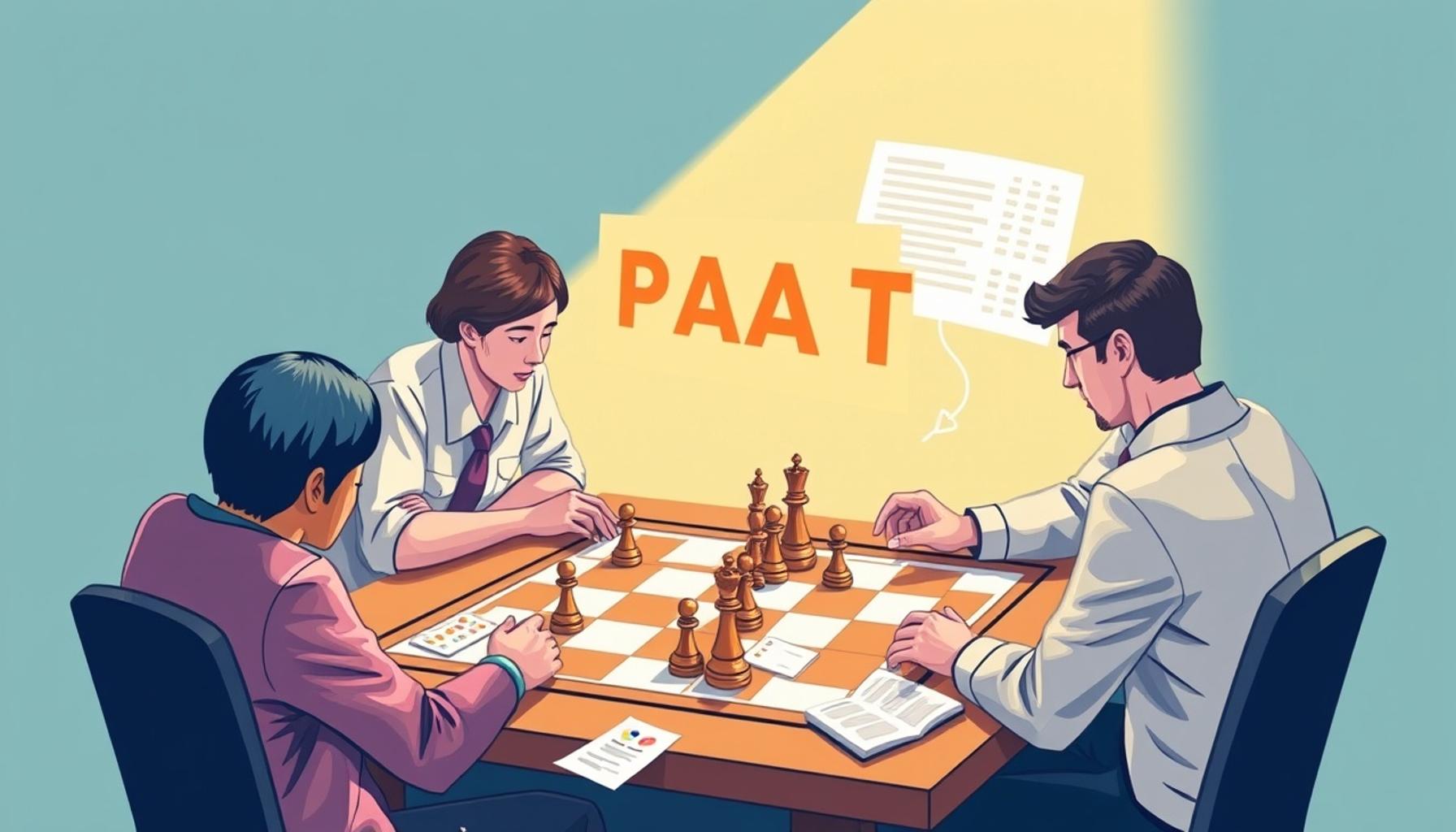
In today’s fast-paced environment, the ability to collaborate effectively is not just beneficial—it’s essential. Whether in the office or on personal projects, teamwork can often mean the difference between success and stagnation. Introducing strategy board games as a tool for enhancing teamwork can offer invaluable lessons that extend beyond the game table.
Enhancing Critical Thinking
At the core of strategy board games is the cultivation of critical thinking. Players must assess various scenarios and determine the most effective course of action. For instance, in games like Settlers of Catan, players evaluate resource allocation and build structures to expand their territories. These decisions require an understanding of both the game mechanics and the strategies employed by other players, making critical thinking a fundamental skill.
Fostering Communication
Communication is another vital aspect of teamwork enhanced through gaming. During gameplay, players must articulate their strategies and negotiate with teammates and opponents alike. A game such as Pandemic necessitates constant dialogue about moving pieces, sharing resources, and formulating plans to combat outbreaks. The verbal exchanges not only clarify thoughts but also pave the way for building rapport among participants.
Navigating Conflict Resolution
Conflicts are natural in any team setting, and strategy games often simulate these scenarios. Players may experience disagreements regarding strategy or gameplay that must be resolved amicably. The process of discussing and coming to a consensus within games like Risk teaches the importance of diplomacy and compromise, invaluable skills that translate well into professional environments.
Building Empathy
A crucial, yet often overlooked aspect of teamwork is empathy. Understanding the motivations and strategies of opponents is essential. For example, in a game where alliances may shift, recognizing how another player feels about a particular move can inform tactical decisions. This heightened sense of awareness fosters stronger interpersonal relationships, which are key to successful collaboration.
Transforming Team Dynamics
Research indicates that engaging in these interactive experiences positively impacts team dynamics. As players spend time working together to achieve objectives, they learn not just to communicate but to engage with each other’s ideas and perspectives. The synergy derived from this collaboration can lead to greater workplace cohesion, resulting in improved productivity and morale.
Ultimately, strategy board games like Settlers of Catan, Risk, and Pandemic are more than just sources of entertainment; they are powerful tools for developing essential collaborative skills. With engaging narratives and immersive gameplay, they encourage participants to embrace challenges and refine their teamwork capabilities. Exploring these games can spark a newfound appreciation for the art of collaboration, making them worthy of consideration for teams aiming to thrive in both professional and personal landscapes.
DIVE DEEPER: Click here to discover more
Unlocking Strategic Potential
Strategy board games possess a unique capacity to mirror real-world challenges, forcing players to think critically and collaborate effectively. With cognitive stimulation at their core, these games accelerate the development of valuable skills that contribute significantly to teamwork. Moreover, they serve as a profound reflection of the dynamics often present in professional settings.
Encouraging Problem-Solving Abilities
Problem-solving is a fundamental skill evident throughout strategy board gameplay. Players are faced with complex scenarios that require innovative solutions and quick thinking. In titles like Ticket to Ride, participants must effectively navigate routes and compete for limited resources while anticipating opponents’ moves. Such challenges encourage players to formulate strategies based on an evolving game landscape, which directly enhances their analytical skills.
Stimulating Decision-Making Under Pressure
Strategy games also provide a platform to hone decision-making skills in high-pressure environments. Players must often make split-second choices that can alter the course of the game. For instance, in A Game of Thrones: The Board Game, players experience the consequences of alliance-building and betrayal, teaching them to weigh risks against rewards meticulously. This ability to make sound decisions amid uncertainty translates seamlessly to corporate environments where quick, effective choices are pivotal.
Encouraging Diverse Perspectives
Engagement with different perspectives is essential in fostering teamwork. In strategy board games, players are challenged to not only advocate for their strategies but also to understand various viewpoints that influence the gameplay. This aspect is notable in games such as Codenames, where players collaborate across teams to bridge gaps in understanding and anticipate each other’s moves. By learning to value diverse thoughts and opinions, individuals become more adaptable in real-life team scenarios.
Highlights of Cognitive Benefits
The cognitive benefits derived from playing strategy board games can be summarized as follows:
- Enhanced critical thinking through scenario analysis and strategic planning.
- Improved problem-solving skills fostered by complex game mechanics and unforeseen challenges.
- Stronger decision-making abilities developed in high-stake situations.
- Increased capacity for understanding diverse perspectives that enrich collaborative efforts.
These cognitive advancements not only enhance individual performance but also bolster group dynamics, reinforcing the idea that strategy board games can effectively serve as engaging learning tools. As players traverse these intricate game worlds, they are unknowingly sharpening their collaboration skills, readying themselves for the challenges of the modern workplace.
Ultimately, strategic gameplay presents an opportunity for individuals to experience firsthand the nuanced intricacies of teamwork, molding them into more proficient collaborators. As we continue this exploration, the deeper connection between cognitive growth and teamwork will become increasingly evident.
| Advantage | Description |
|---|---|
| Enhanced Communication Skills | Strategy board games promote effective communication, creating an environment where players discuss and strategize openly. This exchange of ideas enhances their ability to articulate thoughts clearly, a vital part of teamwork. |
| Improved Problem-Solving | Players must continually adapt to new challenges, honing their problem-solving skills. This dynamic helps foster a collaborative spirit, as team members learn to leverage each other’s strengths to tackle complex issues effectively. |
The interaction during strategy board games creates a fertile ground for developing essential skills necessary in cooperative environments, making these games a significant educational tool. They also instill a sense of belonging, as players work toward common goals, reinforcing positive relationships and mutual respect in group settings. Thus, integrating such games into team-building workshops could greatly increase productivity and camaraderie among teams.
DISCOVER MORE: Click here to learn about memory-enhancing games and their impact on aging brains</
Building Social Connections Through Strategy
Beyond the cognitive advantages gained from strategic gameplay, social connections forged during strategy board games play a crucial role in enhancing teamwork skills. The intricate mechanics of these games foster an environment of communication and interaction, where players develop relationships that transcend the game itself. This social dimension inadvertently cultivates a strong sense of community, vital for effective collaboration.
Facilitating Communication Skills
Effective collaboration hinges on strong communication skills, an area where strategy board games excel. Players must articulate their strategies and reasoning to teammates while also absorbing information from opponents. Titles like Pandemic exemplify this necessity, requiring players to convey ideas clearly and rally support to combat an escalating global crisis. Through negotiation and dialogue, participants sharpen their ability to share important insights and listen actively, fostering an environment where open communication prevails.
Promoting Team Cohesion
In a world where teamwork is paramount, strategy board games play a pivotal role in creating a robust sense of team cohesion. Allies often find themselves engaged in collaborative decision-making that deepens their interpersonal connections. Games such as 7 Wonders illustrate this beautifully, as players must balance individual growth while working collectively to achieve greater goals. As they navigate shared victories and defeats, players develop mutual respect and trust, essential components for successful collaboration in any group setting.
Enhancing Emotional Intelligence
The emotional component of teamwork cannot be overlooked, and gameplay can significantly impact emotional intelligence. In strategy board games, players frequently experience highs and lows influenced by teamwork dynamics. They learn to manage frustrations and celebrate successes together, which cultivates an understanding of others’ feelings and perspectives. For instance, in Carcassonne, players collaborate on building a landscape while competing for territory. This environment of both cooperation and competition enhances emotional regulation and empathy, vital traits that contribute to overall team success.
Research Insights on Teamwork and Gaming
Research underscores the profound impact of strategy-based games on teamwork dynamics. Studies have shown that engaging in collaborative board games fosters a sense of belonging and encourages individuals to contribute actively to the group effort. According to a 2021 study published in the International Journal of Game-Based Learning, participating in team-centric games resulted in a marked improvement in participants’ ability to express ideas and support each other through challenges. This research highlights the significant role strategy board games can play in creating an environment where collaboration thrives.
- Increased communication skills are developed through the necessity of articulating complex strategies.
- Strengthened team cohesion emerges from shared experiences and collective decision-making.
- Enhanced emotional intelligence allows players to navigate social dynamics effectively.
- Research supports the notion that collaborative gaming can improve teamwork capabilities.
The combination of cognitive growth and social connection within strategy board games emphasizes their value as tools for enhancing collaboration and teamwork skills. By immersing themselves in the rich, interactive worlds of these games, players are not only preparing for competitive scenarios but are also building a foundation for successful collaboration in all areas of life. As we delve deeper into this topic, it becomes increasingly clear how playing strategy board games serves as an engaging channel for personal and professional development.
DISCOVER MORE: Click here for insights on digital brain games
Conclusion: Unleashing the Power of Strategy Games
In today’s fast-paced world, the ability to collaborate effectively is more critical than ever. The insights gathered on the cognitive benefits of playing strategy board games reveal that these games are not merely a source of entertainment; they are invaluable tools for enhancing collaboration and teamwork skills. Through strategic gameplay, individuals engage in dynamic interactions that promote enhanced communication skills, foster team cohesion, and cultivate essential emotional intelligence.
The ability to articulate complex strategies and navigate the delicate balance between competition and cooperation conditions players to develop essential skills that are directly transferable to real-world settings. The collaborative nature of games like Pandemic and 7 Wonders exemplifies how shared experiences build trust and mutual respect, while research indicates that these activities significantly bolster group dynamics and problem-solving capabilities. Furthermore, the emotional growth experienced in these settings nurtures empathy and resilience—traits crucial for succeeding in collaborative environments.
As we continue to explore the multifaceted advantages of strategy board games, it becomes evident that they serve as fertile ground for personal and professional growth. The development of collaborative skills derived from these engaging activities offers profound implications, emphasizing the importance of integrating such games into educational curricula and workplace training. Ultimately, leveraging the cognitive benefits of strategy board games not only enriches our social interactions but also prepares us to face collaborative challenges head-on, enhancing our overall effectiveness in both personal and professional domains.
Related posts:
The Role of Strategy Games in Developing Critical Thinking and Planning Skills
Exploring the Benefits of Chess in Enhancing Analytical and Decision-Making Skills
Analyzing the Relationship Between Logic Puzzles and Mathematical Reasoning Skills
Enhancing Memory Retention Through Word Puzzles: A Scientific Approach
How Riddles and Brain Teasers Foster Creative Thinking and Innovation
The Impact of Sudoku on Cognitive Flexibility and Problem-Solving Skills

Linda Carter is a writer and puzzle expert specializing in mind games, brain teasers, and cognitive challenges. With extensive experience helping individuals enhance their problem-solving skills and think critically, Linda shares her knowledge on our platform. Her goal is to empower readers with practical advice, engaging puzzles, and strategies to sharpen their minds and achieve success in the captivating world of mind games and puzzles.