
Understanding the Eisenhower Matrix
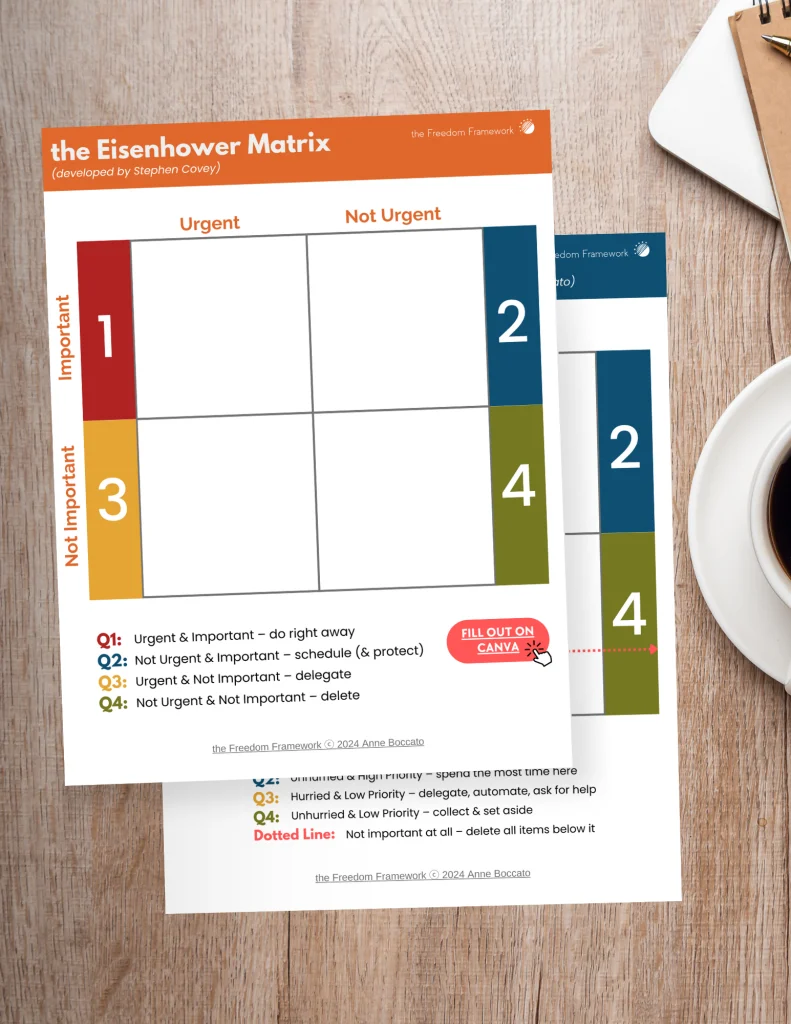
In the grand tapestry of personal and professional growth, mastering time management presents one of the most valuable skills. The Eisenhower Matrix represents a game-changer, elaborating a systematic approach to decipher which tasks necessitate your immediate focus. By classifying tasks into four distinct quadrants—urgent and important, important but not urgent, urgent but not important, and neither urgent nor important—you gain clarity on your priorities and actions.
Maximizing the Impact of Quadrant One
Tasks that fall into the first quadrant, those that are both urgent and important, require immediate attention. These activities could range from last-minute work assignments to urgent family matters. For example, if you have a project with a deadline the next day that significantly affects your job performance, addressing this task promptly is essential. The principle here is to recognize and tackle high-impact tasks first to prevent crises.
Navigating Quadrant Two
Next, tasks that are important but not urgent often provide the foundation for long-term success. Activities such as strategic planning, skill development, and relationship building typically reside in this quadrant. Engaging in these tasks can create substantial benefits down the line. Consider a scenario where an entrepreneur dedicates time to learn digital marketing; although it may not yield immediate results, this investment often proves crucial for the business’s future.
The Power of Delegation in Quadrant Three
Tasks that fit into the third quadrant—urgent but not important—are prime candidates for delegation. They can consume a great deal of time and energy while not contributing significantly to your core goals. Think about work-related responsibilities that someone else can do just as effectively. For example, if you’re organizing a team meeting, delegating the task of creating the agenda to a team member can save you time and keep the meeting focused.
Eliminating Quadrant Four Tasks
Finally, tasks that are neither urgent nor important should be minimized or even eliminated from your to-do list. These could include excessive social media browsing, engaging in unproductive conversations, or completing irrelevant tasks. By identifying and removing such distractions, you will reclaim precious time that can be reallocated to more meaningful activities.
Integrating the Matrix into Your Life
Implementing the Eisenhower Matrix can transform your work and personal life. Start each day by mapping out your tasks according to the quadrants, continually reassessing their importance as circumstances change. This workflow can pave the way for heightened focus, reduced stress, and, ultimately, the achievement of your long-term aspirations.
The true strength of the Eisenhower Matrix lies in its adaptability. Whether you are managing a busy household or steering a professional career, adopting this framework can help you navigate the complexities of modern life. It prompts you to consistently align your daily actions with your overarching ambitions, ensuring that each task you undertake contributes meaningfully to your goals. As you explore this powerful tool further, consider ways to customize it in your daily routines to unlock your full potential.
Harnessing the Eisenhower Matrix for Effective Decision-Making
The Eisenhower Matrix is not merely a theoretical concept; it serves as a practical tool that assists individuals in making decisive choices about where to focus their energy. By categorizing tasks, you’re able to unlock a pathway that reveals not just what needs to be done now, but also what will pave the way for future prosperity. Each quadrant demands a different approach, making it essential to understand how to utilize each effectively for maximum productivity.
Understanding Quadrant One: Urgent and Important
As mentioned earlier, tasks categorized as urgent and important often dictate emergency responses. They signal that something requires your immediate attention, and the key is to address these tasks without letting them derail your overall strategy. Think about a sales project due today that could determine a critical partnership; prioritizing this ensures that you meet deadlines without compromising quality.
In this quadrant, employing quick decision-making techniques can also be vital. A practical way to manage such tasks efficiently is through the use of checklists and time blocks, which can help you maintain a focused workflow. When you streamline efforts on high-priority items, you not only expedite completion but also reduce the stress that often accompanies last-minute work.
Maximizing Quadrant Two: Important but Not Urgent
Tasks in this quadrant might not demand immediate action, but they are critical for long-term success. Investing time in these initiatives can outweigh the effort expended on urgent tasks that don’t substantially benefit your goals. Examples include activities such as:
- Engaging in continuous education and skills training
- Building meaningful relationships with colleagues
- Creating strategic business plans or vision statements
- Setting personal health and wellness goals
By regularly allocating time for tasks in this quadrant, you build a strong foundation that leads to significant advancements. Skilled professionals often set aside specific time slots in their weekly schedules dedicated to this type of work. This will not only improve your capabilities but also position you to handle future challenges effectively.
Turning Challenges into Opportunities: Quadrant Three
When it comes to tasks classified as urgent but not important, the strategy shifts from personal execution to delegation. These tasks often include administrative duties or routine checks that, while time-sensitive, don’t require your specific expertise. For instance, hiring an administrative assistant to handle scheduling or data entry not only frees up your time but also enables you to concentrate on activities that drive substantial results.
As you assess your workload, consider regularly identifying tasks that fit into this quadrant. The objective here is two-fold: first, it alleviates stress and second, it optimizes your operational efficiency. This delegation not only helps you but also empowers team members to take ownership of their roles, promoting a culture of collaboration.
Refining Focus by Excluding Quadrant Four Tasks
To make room for urgent and important endeavors, it becomes crucial to minimize or eliminate tasks that fall into the fourth quadrant—those that are neither urgent nor important. Activities such as excessive email checking, aimless internet browsing, or consuming unproductive media can dilute your focus and waste valuable time. By consciously deciding to limit engagements that don’t serve your goals, you can reclaim hours that could be better spent on meaningful work.
Incorporating the Eisenhower Matrix into your daily routine can lead to greater clarity and efficiency. As you explore this tool, remember that it’s about making conscious choices that align with your broader aspirations.
Understanding the Eisenhower Matrix
The Eisenhower Matrix simplifies the process of prioritizing tasks by categorizing them into four distinct quadrants based on their urgency and importance. This method empowers individuals to efficiently manage their time and focus on what truly matters, enabling greater productivity and less stress.
The Four Quadrants Explained
Incorporating the Eisenhower Matrix into your planning involves recognizing which quadrant each task falls into. Here’s a brief overview:
- Quadrant 1: Urgent and Important – Tasks that require immediate attention and have significant consequences. These should be done first.
- Quadrant 2: Important but Not Urgent – Tasks that are essential for long-term success and should be scheduled and planned accordingly.
- Quadrant 3: Urgent but Not Important – Tasks that need to be addressed quickly but do not contribute significantly to your goals. Delegate these when possible.
- Quadrant 4: Not Urgent and Not Important – Tasks that are mere distractions. They should be minimized or eliminated from your schedule entirely.
Maximizing Efficiency
By leveraging the Eisenhower Matrix, you not only enhance your task management skills but also cultivate a habit of making intentional decisions regarding how you allocate your time. This approach allows individuals to identify time-wasting tasks and prioritize high-impact activities that drive success forward. As you continuously refine your prioritization habits, consider integrating a digital tool or planner specifically designed around the Eisenhower Matrix to keep your focus sharp and your objectives clear.
| Category | Advantages |
|---|---|
| Enhanced Productivity | Focus on what truly matters, leading to accomplishment of key goals. |
| Stress Reduction | Lower anxiety by providing clear structure in daily activities. |
The Eisenhower Matrix is not just a tool, but a framework that encourages a disciplined mindset towards task planning and execution. By implementing this structured approach, you will find the ability to navigate complex workloads with greater ease and clarity.
Enhancing Your Workflow with the Eisenhower Matrix
The Eisenhower Matrix is more than just a tool for task prioritization; it is a powerful method that can enhance your overall workflow and productivity. By understanding and adjusting how you allocate your time and energy based on the categorization of tasks, you can significantly improve your efficiency and effectiveness in both professional and personal realms.
Crafting a Personal Action Plan with Quadrant One Resources
For tasks that land in Quadrant One—urgent and important—it’s essential to develop a solid action plan that allows for swift yet strategic responses. This can include creating contingency plans for emergencies or unexpected deadlines. For instance, consider leveraging project management software that offers real-time updates and reminders about critical deadlines. Tools like Trello or Asana can help you visualize work in progress while guiding you through urgent tasks seamlessly.
Additionally, initiating a daily review ritual can help you stay on top of these tasks. By dedicating the first 15 minutes of your workday to outlining urgent tasks, you not only drive towards completion but also prevent last-minute scrambles. This proactive approach minimizes stress and establishes a systematic workflow.
Investing in Long-Term Success: The Quadrant Two Approach
Quadrant Two tasks, while important yet not urgent, are crucial for personal growth and long-term goals. Companies like Google emphasize building a culture where employees are encouraged to embrace activities such as learning and innovation. Individuals can mirror this approach by setting specific, measurable goals related to their professional development.
Consider integrating the SMART criteria—Specific, Measurable, Achievable, Relevant, Time-bound—while setting objectives in this quadrant. This structured framework helps clarify priorities and can fuel motivation, ensuring that you routinely engage in activities that enhance your skillset. Committing to regular self-assessment and feedback can also drive continuous improvement, ultimately magnifying your career trajectory.
Leveraging Delegation and Collaboration in Quadrant Three
Understanding how to delegate effectively in Quadrant Three—urgent but not important tasks—can be transformational. Establishing clear communication channels within a team can facilitate delegation, ensuring that tasks are completed efficiently. For instance, using collaborative platforms like Slack or Microsoft Teams allows teams to swiftly address urgent matters without unnecessary delays.
Moreover, consider implementing a mentorship program where team members can support one another in handling these tasks. Not only does this foster a sense of responsibility, but it also cultivates a supportive environment conducive to teamwork and personal growth.
Fostering Productivity by Dismissal of Quadrant Four
To maximize your productivity, it’s essential to actively decline or eliminate Quadrant Four activities. Recreational distractions such as excessive social media browsing or binge-watching television shows can lead to time erosion, ultimately affecting both personal and professional pursuits. Instead, create a self-care regimen that includes structured leisure time, ensuring that relaxation does not come at the cost of focus.
Employing techniques like the Pomodoro Technique, which suggests working in focused bursts followed by short breaks, can keep you engaged and lessen the temptation of distractions. This way, you can recharge without succumbing to unproductive habits.
By fully embracing the Eisenhower Matrix and its methodologies, you can refine your task management skills and optimize your efficiency, ultimately leading to a well-rounded and more successful personal and professional life.
DISCOVER MORE: Click here to enhance your planning efficiency
Conclusion: Mastering Efficiency with the Eisenhower Matrix
The Eisenhower Matrix stands as an invaluable framework for individuals seeking to streamline their planning processes and enhance overall productivity. By categorizing tasks into four distinct quadrants based on urgency and importance, users acquire a clearer perspective on their daily responsibilities, enabling them to allocate their time and resources effectively. The emphasis on urgency in Quadrant One inspires timely action, while Quadrant Two nurtures long-term growth and strategic thinking—both essential for sustainable success in any career.
Moreover, learning to delegate tasks in Quadrant Three not only alleviates individual workloads but also fosters a collaborative team environment, enhancing collective productivity. Conversely, the active dismissal of Quadrant Four activities ensures that time is spent wisely, steering clear of distractions that can hinder progress. By leveraging tools and techniques designed to simplify these processes, such as project management software and structured planning rituals, one can effortlessly navigate the complexities of modern life.
As you embrace the principles of the Eisenhower Matrix, consider incorporating regular self-evaluations and adjustments based on your evolving goals. This iterative approach not only enhances personal effectiveness but also prepares you to tackle unforeseen challenges with confidence and resilience. Ultimately, utilizing the Eisenhower Matrix equips you with the framework needed to master efficient planning, paving the way for a fulfilling and dynamic professional journey.
Related posts:
How Weekly Review Can Improve Your Planning and Productivity
Prioritization Techniques: How the Eisenhower Method Can Transform Your Productivity
How the Pomodoro Technique Can Increase Your Efficiency in Daily Planning
Integrating Digital Tools for Streamlined Personal Organization
The importance of long-term review: adjusting your planning to achieve life goals
Digital Tools for Efficient Planning: How Apps Can Optimize Your Personal Organization

Linda Carter is a writer and productivity and personal organization specialist focused on helping readers build better routines, manage their time, and stay on top of daily priorities. With experience covering practical planning methods, habit-building strategies, and tools for organization, Linda shares actionable guidance on our platform. Her goal is to empower readers with clear, realistic tips to work smarter, reduce overwhelm, and stay consistent over time.