
The Importance of Effective Prioritization
In the whirlwind of modern life, where distractions lurk around every corner, mastering your focus is not merely advantageous—it’s essential for success. With an incessant barrage of notifications from emails, social media, and messaging platforms, managing your attention has become a skill that sets high achievers apart from the rest. But how can one wade through this chaos and determine what truly requires immediate attention?
To effectively prioritize tasks, one must first understand the distinction between tasks based on various criteria. Below are some important aspects that can enhance your prioritization skills:
- Urgency vs. Importance: This fundamental principle helps you differentiate between tasks that demand immediate action and those that align with your broader goals. For instance, answering an urgent email is essential, but it might not propel your career forward as effectively as completing a project proposal that aligns with your long-term aspirations. Recognizing this difference can help you allocate your time more wisely.
- Personal Values: Your core beliefs often guide your decisions. Engaging in tasks that reflect what you truly care about can lead to greater satisfaction and productivity. For example, if you value community engagement, prioritizing volunteer work or outreach projects can create a sense of fulfillment that transcends other less impactful tasks.
- Time Sensitivity: Some tasks come with deadlines that significantly affect their impact and the opportunities they can unlock. For instance, missing a submission date for a job application could mean losing a great opportunity, whereas other tasks might not have such high stakes. Assessing the time sensitivity of tasks can aid in prioritizing effectively.
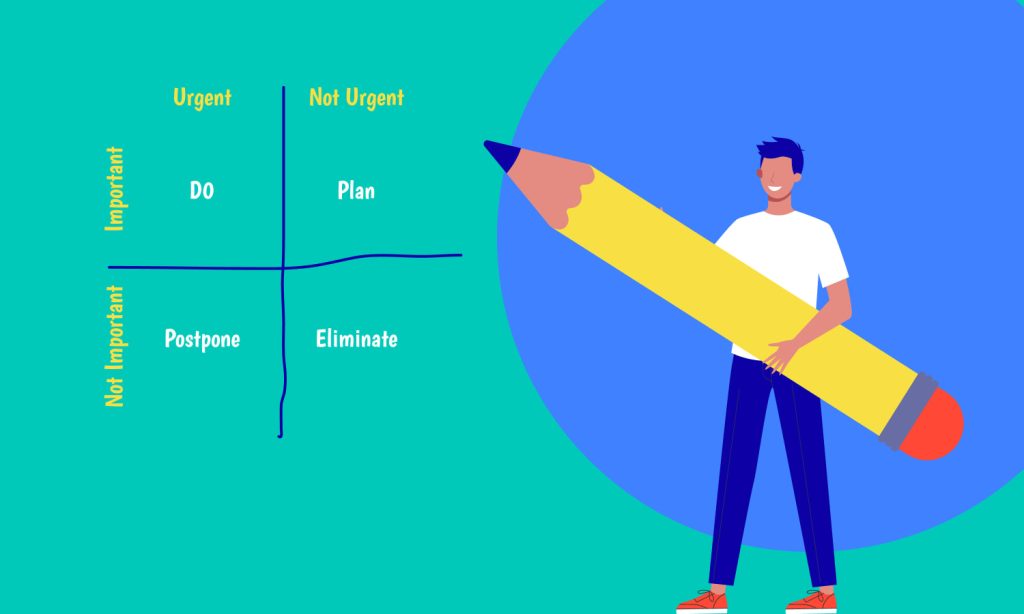
In addition to these criteria, tackling distractions is paramount in today’s digitally driven landscape. The difference between merely being busy and being truly productive lies in the strategies you employ. Techniques such as the Eisenhower Matrix, which categorizes tasks based on urgency and importance, can provide clarity. Meanwhile, the Pomodoro Technique—which involves working in focused bursts followed by short breaks—can help maintain concentration and stave off mental fatigue.
As we delve deeper into effective prioritization strategies, you will gain tools and insights that can significantly improve your decision-making process. By learning how to manage your focus in this chaotic environment, you will not only enhance your productivity but also ensure that your most important tasks are completed first. Embracing these methods can transform your daily routine and lead to a more balanced, rewarding life.
DISCOVER MORE: Click here to dive deeper
Understanding the Framework of Prioritization
As the pace of life accelerates, the significance of prioritization amplifies. The ability to sift through an endless list of tasks and identify what deserves your immediate attention is no longer a luxury; it is a necessary skill. But how does one build a robust framework for decision-making amidst the noise? The first step lies in embracing a strategic mindset towards prioritization.
To form a solid foundation of prioritization, integrating a variety of categorization techniques can be incredibly beneficial. Here are several methodologies that can form the backbone of effective task management:
- The Eisenhower Box: This popular method, attributed to former U.S. President Dwight D. Eisenhower, involves dividing tasks into four quadrants based on whether they are urgent or important. By categorizing your to-dos this way, you can visually distinguish between tasks that demand immediate action and those that can be scheduled for later. This strategy is especially useful when grappling with overwhelming workloads that drown out critical priorities.
- ABCDE Method: Developed by time management expert Brian Tracy, this technique encourages individuals to label their tasks based on priority levels—A tasks are of the highest importance, while E items could potentially be eliminated altogether. This helps in simplifying decision-making processes, enabling you to focus on activities that drive results.
- SMART Goals: Establishing tasks that are Specific, Measurable, Achievable, Relevant, and Time-bound creates clarity and purpose. Not only does this approach help in setting clear objectives, but it also directs your attention toward actions that yield meaningful outcomes.
Coupled with these methodologies is the understanding of your own natural circadian rhythms and productivity patterns. Have you ever noticed how creative energy often fluctuates throughout the day? Aligning key tasks with your peak performance windows can optimize both effectiveness and efficiency. For instance, early risers may find that tackling challenging projects at dawn yields better results than during the fatigue-laden afternoon slump.
Moreover, don’t underestimate the role of technology in enhancing your prioritization prowess. Applications like Todoist, Trello, and Asana can assist in organizing your tasks, tracking deadlines, and setting reminders. These tools can allow you to visualize your workload and foster accountability, promoting a systematized approach to managing various responsibilities. Yet, it is vital to use these digital resources judiciously; technology can sometimes become a double-edged sword when it leads to unnecessary distractions rather than solving them.
Ultimately, refining your prioritization skills requires self-awareness and flexibility. It is critical to periodically reassess your framework and adjust it according to eventual changes in your responsibilities or objectives. By doing so, you ensure that your strategies for managing distractions are not only effective but sustainable in the long run.
| Advantage | Description |
|---|---|
| Clarity | Fostering a clear focus allows individuals to identify what tasks genuinely warrant attention amidst various distractions. |
| Improved Productivity | By strategically prioritizing tasks, you can enhance efficiency and achieve more in a shorter period, combating the loss of potential due to distractions. |
Continuing with the exploration of prioritization, it is essential to understand the practical implications of placing clarity and productivity at the forefront of your decision-making process. Clarity does not merely mean outlining tasks; it means establishing a robust connection between your goals and the activities you engage in daily. When you have a clear understanding of what needs your immediate attention, you significantly decrease decision fatigue, allowing for a streamlined approach.Moreover, improved productivity isn’t just about getting more done—it’s about doing the right tasks and leaving behind those that don’t align with your core objectives. Research indicates that individuals who focus on priority tasks often experience a decrease in stress levels due to the manageable workload. Thus, successful prioritization allows you to accomplish vital tasks with greater intensity and focus, leading to enhanced overall performance. An effective prioritization strategy is not a simple checklist; it is a vital framework that can reshape how you navigate life amidst a cacophony of distractions, guiding you toward success more assuredly.
DISCOVER MORE: Click here to enhance your personal organization
Harnessing the Power of Distraction Management
As we navigate our busy lives filled with obligations, the skill of prioritization also involves mastering the art of distraction management. In a world bustling with notifications, emails, and multitasking temptations, recognizing the signals that detract from your focus can enhance your productivity significantly. The question arises: how do you shield your prioritization efforts from frequent interruptions?
One effective technique is the concept of time blocking. Time blocking entails allocating specific segments of your day to dedicated tasks. By creating a structured schedule that designates time for both high-priority activities and breaks, you reduce the chance of getting sidetracked. Research indicates that a focused work interval, followed by a short recovery period, can increase overall productivity. For instance, the Pomodoro Technique advocates working for 25 minutes followed by a 5-minute break, which ignites a sense of urgency without compromising creativity. Such methods empower you to dive deep into priority tasks without the hovering distractions of text messages or social media alerts.
Another approach to enhancing prioritization in a distraction-laden environment is the two-minute rule, proposed by productivity expert David Allen. This principle states that if a task can be completed in two minutes or less, it should be done immediately rather than scheduled for later. Applying this concept judiciously can dramatically declutter your to-do list. However, it’s crucial to differentiate between minor tasks and genuinely important assignments that require long-term attention. You wouldn’t want to derail a significant project just because a couple of emails can be answered swiftly.
Furthermore, understanding your personal energy patterns can play a vital role in prioritization. They may ebb and flow due to various factors, including your health, emotional state, and even the time of year. Some people may find that their mental sharpness wanes mid-afternoon while others may thrive during those hours. Recognizing these cycles can inform when to tackle complicated projects or when to execute simpler tasks, ensuring you are working at peak performance.
The Role of Mindfulness in Prioritization
Mindfulness practices can also enrich your prioritization abilities. By being present in the moment, you cultivate a heightened awareness of what requires your focus. Techniques such as meditation or deep-breathing exercises allow you to clear your mind, thus enabling clearer decision-making when faced with numerous tasks. Studies show that individuals who practice mindfulness report reduced stress levels and an enhanced ability to manage tasks effectively. Incorporating short mindfulness sessions into your daily routine can transform how you approach both high-stakes decisions and day-to-day chores.
Finally, don’t underestimate the influence of a supportive environment. Engaging with peers or mentors who value prioritization can cultivate a culture of accountability around you. For instance, setting up regular check-in meetings or collaborative brainstorming sessions can help refine priorities and enhance focus on collective goals. A unified approach to prioritization not only fosters personal responsibility but acts as a potent reminder of the importance of decisive action amidst distractions.
In conclusion, while prioritization is a multifaceted skill requiring continuous adaptation, putting these principles into action can significantly elevate your ability to manage distractions. By employing structural frameworks, embracing time management strategies, leveraging personal energy levels, and cultivating mindfulness, individuals can navigate the chaotic noise of modern life with clarity and determination.
DISCOVER MORE: Click here to delve into the psychology of prioritization
Conclusion: Mastering Prioritization in a Distracted World
In conclusion, the art of prioritization emerges as a vital skill in today’s distraction-filled landscape. As we juggle competing demands on our time and attention, implementing strategic practices can dramatically enhance our ability to focus on what truly matters. Techniques such as time blocking and the two-minute rule represent essential tools in minimizing distractions and maximizing productivity.
Moreover, by recognizing our personal energy patterns, we can align our most challenging tasks with the times we function best. This nuanced self-awareness empowers us not only to prioritize effectively but also to maintain our momentum. Integrating mindfulness practices into our daily routines cultivates presence and clarity, allowing us to manage overwhelming task lists with grace.
To thrive amidst the chaos, it is also crucial to foster a supportive environment. Engaging with like-minded individuals can amplify our commitment to prioritization, fostering accountability and shared goals. This not only enriches our personal effectiveness but also contributes to a collective ethos of intentionality.
Ultimately, mastering prioritization is less about rigidly adhering to a set plan and more about cultivating a flexible mindset that adapts to our ever-changing context. By embracing these principles, we can navigate the complexities of modern life with greater focus and purpose, making each decision count in our pursuit of productivity and fulfillment.
Related posts:
How to Create a Task Prioritization System That Works for You
The Importance of Flexibility in Task Prioritization: Adapting to Changes and Unforeseen Events
How the Eisenhower Matrix Can Revolutionize Your Approach to Task Management
Mindfulness and Prioritization: How Mindfulness Can Help in Time Management and Decision Making
Developing Personal Resilience: The Importance of Prioritization in Times of Crisis
The Psychology of Prioritization: How Your Habits Affect Decision Making

Linda Carter is a writer and productivity and personal organization specialist focused on helping readers build better routines, manage their time, and stay on top of daily priorities. With experience covering practical planning methods, habit-building strategies, and tools for organization, Linda shares actionable guidance on our platform. Her goal is to empower readers with clear, realistic tips to work smarter, reduce overwhelm, and stay consistent over time.