
Understanding the Role of Physical Space in Productivity
In today’s fast-paced world, maximizing productivity is more crucial than ever. One often overlooked aspect is the influence of physical space on our ability to plan and execute tasks efficiently. The environments we inhabit—be it an office, home studio, or co-working space—can significantly impact our work output. An organized, well-designed workspace not only encourages productivity but also fosters creativity, reduces stress, and ultimately leads to greater job satisfaction.
Consider these key factors that play an essential role in shaping our productivity:
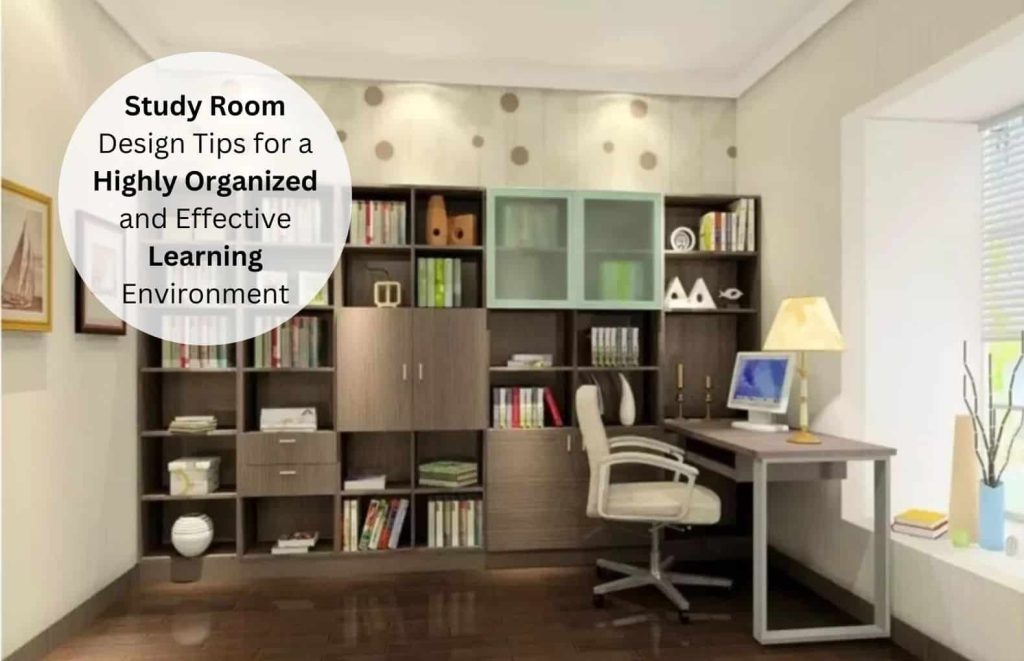
- Organization: A clutter-free space fosters clearer thinking. Research has shown that physical organization can reduce mental clutter, allowing individuals to focus on high-priority tasks with increased clarity. Keeping your workspace organized may involve investing in storage solutions like shelving or desk organizers, ensuring that tools and materials are easily accessible yet unobtrusive.
- Lighting: Natural light enhances focus and mood. Studies have consistently shown that exposure to natural light not only boosts mood but also plays a vital role in regulating our circadian rhythms. Workspaces near windows or with skylights promote a healthy dose of daylight, which can lead to improved alertness and performance. If natural light is limited, consider adjustable LED lighting that mimics daylight to create a similar effect.
- Layout: An optimal arrangement minimizes distractions and improves workflow. How you position your desk, monitor, and other essential tools can directly affect your efficiency. For instance, a layout that minimizes foot traffic and creates defined work zones—perhaps through the use of area rugs or partitioning—can contribute to enhanced focus.
Research indicates that environmental design can lead to a staggering 20% increase in productivity. This statistic highlights the importance of creating a personalized environment that reflects your unique preferences and working style. By thoughtfully organizing your surroundings, you create a conducive atmosphere for creativity and concentration. However, many individuals remain unaware of how their workspace affects their daily planning efficiency.
To fully leverage the positive aspects of your environment, it is essential to explore various strategies that can transform your space. These can include:
- Decluttering regularly to maintain a focused mindset. Just 10-15 minutes each day dedicated to tidying up can yield significant benefits in cognitive function.
- Incorporating elements of nature to reduce stress. Studies have shown that adding plants or images of nature can lower anxiety and improve overall wellbeing, making your workspace more inviting.
- Using technology to streamline repetitive tasks. Consider utilizing productivity apps or automation tools that can take over mundane tasks, freeing you to focus on more critical responsibilities.
By diving further into this topic, you can unveil practical insights tailored to your unique workspace, ultimately leading to enhanced productivity and planning efficiency. Exploring the relationship between your environment and work habits will not only help you maximize your output but also contribute to a more satisfying and fulfilling work experience.
DIVE DEEPER: Click here to enhance your motivation
Transforming Your Space: Strategies for Enhanced Planning Efficiency
Understanding the nuances of how physical space influences our planning efficiency is essential in today’s workplace environment. The interplay between our surroundings and our productivity levels is not merely coincidental; it is rooted in psychological and environmental principles. By strategically transforming your space, you can unlock numerous benefits that lead to heightened productivity and greater overall satisfaction with your work.
To begin, it is crucial to recognize that the design of your workspace plays a vital role in shaping your daily habits and routines. A well-thought-out layout does not just promote efficiency—it also sends signals to the brain about task prioritization. A common mistake is creating a workspace that lacks distinct areas for different functions. For instance, if you work from home, merging personal spaces with professional environments can lead to distractions and decreased efficiency. Instead, designating specific zones for work—perhaps by using a separate room or creating a structured area away from temptations—can facilitate a more focused mindset.
Another impactful consideration is your furniture arrangement. Studies have revealed that ergonomic designs—such as chairs that support good posture and desks at the right height—are instrumental in maintaining concentration and reducing fatigue. It’s not merely about aesthetics; your comfort, accessibility to tools, and optimal monitor positioning directly influence the flow of work. For example, keeping frequently used items like notebooks or pens within arm’s reach can significantly minimize interruptions in your workflow. Adopting an open layout or utilizing modular furniture can also promote teamwork and flexibility, especially in collaborative settings.
Moreover, let’s not underestimate the impact of personal touches in your workspace. While keeping a professional demeanor is important, infusing your environment with elements that resonate with you—be it artwork, photographs, or motivational quotes—can enhance your emotional connection to the space. These personal items serve as reminders of goals and achievements, fostering motivation and inspiring a proactive approach to daily tasks.
Here are some actionable strategies to refine your workspace for maximum planning efficiency:
- Establish clear work boundaries: Aim to have a dedicated area for work to mentally separate it from leisure activities. This physical divide helps boost focus and reduce procrastination.
- Implement an organizational system: Use shelves, cabinets, or digital systems to keep documents and resources well-ordered. Color-coding or labeling can simplify the retrieval process.
- Incorporate comfortable and functional furniture: Invest in ergonomic office equipment to support long hours of work and prevent injuries.
- Design for collaboration: If in a shared space, ensure that the layout encourages teamwork, perhaps by including communal areas equipped with resources for brainstorming sessions.
Understanding the influence of your workspace on planning efficiency can lead to significant strides in productivity. By intentionally designing your environment from layout to personal touches, you set the stage for success and cultivate an atmosphere that breeds creativity and focus. This transformation is not only about improving output; it is also about creating a fulfilling work experience that aligns with your personal and professional goals.
When it comes to enhancing productivity, the physical environment plays a crucial role. An organized workspace can lead to a significant increase in planning efficiency, enabling individuals to focus on their tasks without unnecessary distractions. Studies have shown that cluttered environments can inhibit thought processes and decision-making abilities, leading to wasted time and decreased performance. Thus, understanding how to manipulate your surroundings can provide a strategic advantage in any work setting.
One essential aspect of maximizing productivity through physical space is the arrangement of furniture and tools. For instance, positioning your desk to face a window can enhance creativity and reduce fatigue, while an open layout can foster collaboration among team members. Additionally, incorporating ergonomic furniture can prevent physical strain, allowing for longer periods of concentration on planning tasks. Natural lighting and the presence of greenery can also positively influence mood and energy levels, promoting a more conducive work environment.
| Planning Aspects | Productivity Outcomes |
|---|---|
| Workspace Organization | Improved focus and reduced stress |
| Use of Color | Enhanced creativity and motivation |
Moreover, personalizing workspaces can instill a sense of ownership and pride, further encouraging individuals to perform at their best. Simple additions like visuals, quotes, or personal effects can invigorate the space and spark inspiration. By emphasizing the importance of a well-organized environment, individuals can harness their full potential, leading to better planning efficiency and overall productivity.
DISCOVER MORE: Click here to learn how to prioritize effectively
The Role of Ambient Factors in Productivity
While the arrangement of furniture and personal touches in a workspace significantly impacts planning efficiency, we must also consider the ambient factors that affect our working environment. Elements such as lighting, noise levels, and temperature can dramatically influence our ability to concentrate and perform tasks efficiently. Tuning these factors to optimal settings not only aligns with basic human comfort but also fosters an atmosphere conducive to productivity.
Lighting is one of the most critical ambient factors in any workspace. Natural light, in particular, has been shown to enhance mood and energy levels, leading to increased productivity. A survey conducted by the American Society of Interior Designers noted that about 68% of respondents feel more attentive and engaged when working in an environment with natural light. Consider arranging your desk near windows or using artificial lighting that mimics daylight to create a vibrant working atmosphere. Additionally, adjustable lighting that allows for softer illumination in the evening can ease the transition from active work hours to relaxation, which is essential for maintaining a healthy work-life balance.
Another significant factor is noise levels. Open office layouts, popular in many modern workplaces, can lead to elevated noise levels that disrupt concentration. According to a study published in the Journal of Environmental Psychology, employees reported higher levels of stress and trouble focusing in environments with excessive noise distractions. To combat this, consider using sound-absorbing materials like carpets or acoustic panels to minimize noise. Additionally, implementing designated quiet zones can provide employees with the opportunity to work without distractions when deep focus is needed. Noise-canceling headphones can also become essential tools for those who thrive in solitude.
The temperature of your workspace is equally pivotal. Studies have shown that individuals typically perform best in environments subtended to a slightly cooler temperature, ideally between 68 and 72 degrees Fahrenheit. Productivity can drop sharply if temperatures become uncomfortable, whether too hot or cold, as workers expend energy managing their discomfort rather than focusing on tasks. Encouraging the use of thermostats and facilities that allow for individual temperature control can vastly improve comfort and, consequently, productivity levels.
Integrating Greenery: The Biophilic Approach
While we often overlook it, the inclusion of plants within our workspace offers a multitude of benefits that can enhance planning efficiency. This concept, known as biophilia, posits that humans possess an inherent connection to nature, which can be integrated into indoor environments. Research published in the journal *Journal of Experimental Psychology* indicates that the presence of plants in the office setting can enhance creativity and reduce stress, both of which are essential for efficient planning.
Integrating greenery into your workspace can be as simple as adding a few potted plants or even a vertical garden if space allows. Such natural elements not only beautify the environment but also improve air quality and reduce noise levels. Additionally, studies have shown that employees in green environments report higher job satisfaction and engagement, encouraging them to engage in their tasks with greater enthusiasm.
Embracing Flexibility and Adaptability
In a world where change is constant, flexibility and adaptability in workspace design can greatly enhance productivity. A rigid work environment can lead to stagnation; thus, creating a workspace that accommodates different working styles—be it collaborative teamwork, solitary focus, or brainstorming sessions—can lead to a more dynamic approach to work. Consider implementing movable furniture, adjustable desks, or even spaces that can be reconfigured to encourage various working formats, from individual tasks to group collaborations.
To cultivate productivity, understanding and organizing your environment extends far beyond mere aesthetics. By acknowledging and adjusting the ambient factors and fostering a flexible workspace, you can create a holistic environment that maximizes planning efficiency and enhances overall well-being in the workplace. This thoughtful organization not only sets a foundation for productivity but also nurtures the innate connection we have to our surroundings, enabling a more profound engagement with our work.
DIVE DEEPER: Click here to uncover the psychology behind prioritization
Conclusion: Crafting Spaces for Enhanced Productivity
In conclusion, the influence of physical space on planning efficiency cannot be overstated. By thoughtfully organizing your environment, incorporating ambient factors like lighting, noise control, and temperature modulation, you can create a workspace that not only boosts productivity but also enhances overall well-being. As we have explored, access to natural light can invigorate the mind, while minimizing noise disruptions fosters an atmosphere of concentration that is crucial for efficiency. It is equally vital to consider temperature comfort, as an ideal thermal environment significantly impacts cognitive performance.
The integration of natural elements through the biophilic approach highlights our innate connection to nature, enhancing creativity and reducing stress levels. Simple additions like potted plants can be transformative, contributing to a more inviting and motivating work environment. Furthermore, embracing flexibility and adaptability in workspace design encourages a dynamic approach to work tasks, accommodating various working styles and the ever-evolving nature of contemporary work demands.
Ultimately, investing time and resources into optimizing your physical space is not merely a matter of aesthetics; it is about strategically enhancing planning efficiency and fostering a culture of productivity. As you reconsider your workspace, remember that a well-organized environment is a catalyst for success, helping you unlock your full potential. By making small yet impactful adjustments, you can pave the way for greater decisiveness, creativity, and efficiency in your professional endeavors.
Related posts:
Integrating Digital Tools for Streamlined Personal Organization
The impact of visual planning on productivity: using boards and mind maps
The role of automation in efficient planning: how technological tools can simplify your routine
How Data Analysis Can Enhance Your Personal Planning: Insights Based on Metrics
Utilizing the Eisenhower Matrix for Prioritizing Tasks in Efficient Planning
The Role of Time Blocking in Efficient Planning for Enhanced Productivity

Linda Carter is a writer and productivity and personal organization specialist focused on helping readers build better routines, manage their time, and stay on top of daily priorities. With experience covering practical planning methods, habit-building strategies, and tools for organization, Linda shares actionable guidance on our platform. Her goal is to empower readers with clear, realistic tips to work smarter, reduce overwhelm, and stay consistent over time.