
The Power of Visual Planning
In an era defined by rapid technological advancements and an increasing overflow of information, the need for effective productivity mechanisms has never been more pressing. Visual planning has emerged as a game-changing approach that empowers individuals and teams to navigate their thoughts and tasks with unprecedented clarity. Utilizing tools like boards and mind maps, this method not only enhances organization but also stimulates creativity and focus in ways that traditional methods cannot.
At its core, visual planning facilitates a lucid representation of ideas and tasks, making it easier to digest and act upon information. The benefits of incorporating visuals into planning processes are manifold:
- Clarity: By breaking down complex information into visual formats, visual planning simplifies understanding. For instance, a project timeline displayed on a Gantt chart can immediately inform team members about deadlines and interdependencies without the need for dense texts.
- Engagement: Bright colors and creatively structured layouts not only capture attention but also promote retention. A visually appealing presentation fosters higher engagement levels during meetings, ensuring that critical points are not overlooked.
- Collaboration: Tools like Kanban boards promote teamwork by offering a shared workspace where ideas can be collectively contributed. Companies such as GitHub have adopted such practices to keep developers aligned and motivated.
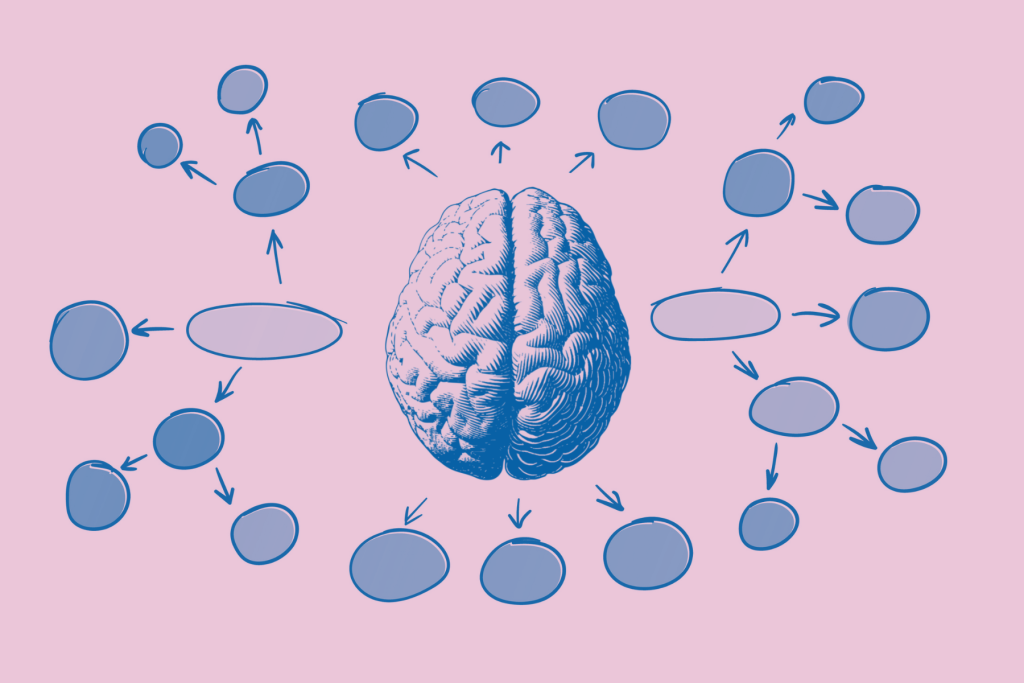
Mind maps, as a cornerstone of visual planning, invite users to explore relationships between ideas dynamically. Notably, they are characterized by several key features:
- Hierarchical Structure: Information is organized in a way that highlights significance, making it easy to discern which tasks require immediate attention.
- Visual Connections: By linking ideas visually, mind maps illustrate how various thoughts are interrelated. This is particularly useful during brainstorming sessions, as participants can visually navigate through concepts and identify connections that may not have been obvious initially.
- Flexibility: Mind maps can be easily adjusted as new thoughts develop or priorities shift, accommodating the dynamic nature of modern work environments.
Research consistently supports the notion that employing visual planning tools can significantly enhance focus and efficiency. A study by the University of Illinois found that participants displayed improved information retention and a higher rate of task completion when using visual organizational methods compared to list-based approaches.
As we continue to explore this impactful topic, it becomes evident that adopting visual planning techniques not only has the potential to transform workflow but also enhances overall productivity. Whether you are a student striving for academic excellence or a professional aiming to streamline business operations, harnessing the power of visual planning could very well be your next step towards achieving greater success.
DISCOVER MORE: Click here to enhance your productivity
Transforming Ideas into Actionable Plans
The shift towards visual planning resonates with the fundamental need for clarity in today’s fast-paced environment. Many individuals and teams find themselves overwhelmed by a myriad of tasks and ideas, leading to decreased productivity and increased stress levels. This is where visual planning tools, such as boards and mind maps, emerge as a beacon of innovation. By providing a structured approach to organize thoughts and tasks visually, these tools can significantly enhance productivity.
Boards, particularly Kanban boards, have become a staple in industries ranging from software development to marketing. These boards allow teams to visualize their workflow, providing an at-a-glance view of what tasks are in progress, what is completed, and what remains to be done. The simplicity of moving tasks across categories—often represented as “To Do,” “In Progress,” and “Done”—empowers teams to manage their workloads effectively. Notably, organizations like Trello and Asana have tailored their platforms around this concept, making it accessible for teams of all sizes.
Meanwhile, mind maps introduce a different dimension to visual planning. They allow individuals to brainstorm freely, mapping out key concepts and their relationships organically. This process not only nurtures creativity but also provides a clear overview of how ideas interlink. For instance, students preparing for exams might use mind maps to explore various topics, linking main concepts with supporting details in an evocative visual format. This method has been shown to enhance both retention and understanding, making the study process more efficient.
The effectiveness of these tools extends beyond mere organization; they foster a collaborative environment. Here are some key reasons why boards and mind maps enhance teamwork:
- Shared Understanding: When everyone can visualize project timelines or task statuses, miscommunication decreases and team alignment increases. This unity can drive collective success.
- Motivation: Seeing tasks move from one phase to another on a board can motivate team members. The visual proof of progress can instill a sense of accomplishment and accountability.
- Quick Adjustments: Both boards and mind maps allow for quick revisions. If priorities shift, teams can easily rearrange tasks or ideas, making adaptations in real-time.
Incorporating visual planning tools into a routine can lead to remarkable shifts in productivity levels. According to a report from the Project Management Institute, organizations that use visual project management tools are 28% more likely to achieve project success. This statistic underscores the importance of not just individual planning but also fostering an open channel for collaboration.
As we dig deeper into the nuances of visual planning, it becomes clear that utilizing boards and mind maps are not simply trends; they are effective strategies rooted in psychological principles. The ability to visualize tasks can unlock potential previously hindered by traditional planning methods, steering professionals and students alike toward a more productive future.
| Advantages of Visual Planning | Key Insights |
|---|---|
| Enhanced Clarity | Visual boards and mind maps provide a clear overview of tasks, helping individuals to quickly grasp complex information. |
| Improved Memory Retention | Utilizing visual tools enables better information recall, making it easier to remember and apply learned concepts. |
| Encourages Collaboration | Visual planning tools foster a dynamic environment for team collaboration, as ideas can be shared and organized collectively. |
| Boosts Creativity | Mind maps encourage creative thinking, allowing users to explore connections and generate new ideas through visual representation. |
The integration of visual planning into productivity enhances various aspects of workflow. Boards and mind maps not only streamline task management but also enhance collaboration among team members, leading to a collective effort towards achieving goals. Additionally, these tools are scientifically proven to improve memory retention, which is crucial for productivity, as remembering key tasks reduces the cognitive load and keeps focus sharp.Moreover, visual planning supports adaptive thinking—the ability to shift perspectives and adjust solutions in real-time. As professionals engage more with these methods, they discover the power of seeing their thoughts laid out visually, which can reveal patterns and relationships that might have been overlooked when processed linearly. This method promotes a sense of ownership over tasks and encourages individuals to contribute ideas effectively within a team setting, ultimately leading to higher productivity levels. Engaging with visual tools can transform ordinary tasks into dynamic projects, making it an essential strategy for anyone looking to enhance their productivity framework.
DON’T MISS: Click here to master prioritization
Enhancing Focus and Reducing Distractions
Visual planning not only aids in organization but also plays a critical role in enhancing focus and reducing distractions—key factors that can make or break productivity levels. In an era where distractions abound, maintaining concentration can be a challenge. Research indicates that workers can lose up to 40% of their productivity due to interruptions. This is where the structured approach provided by boards and mind maps can be particularly beneficial.
One of the most compelling advantages of using boards is the concept of task visualization. By rendering tasks into a visual format, team members can better prioritize their work based on urgency and importance. For instance, many companies implement the Eisenhower Matrix within their Kanban boards, categorizing tasks into four quadrants: urgent and important, important but not urgent, urgent but not important, and neither urgent nor important. This clarity empowers individuals to focus on what truly matters, allowing for more effective time management.
Furthermore, mind maps can be used to enhance focus by breaking down complex projects into manageable, bite-sized components. This not only alleviates the feeling of being overwhelmed but also makes it easier to tackle components one at a time. A recent study from the University of California found that students utilizing mind maps for their studies reported a 25% increase in attention span during lessons compared to those using traditional linear notes. The use of colors, images, and keywords in mind maps activates different regions of the brain, enhancing information retention and engagement.
Another significant factor in productivity is the concept of visual cues. With boards, team members are reminded of their responsibilities through a tangible interface. The physical presence of a task board in an office or a digital board in a remote workspace ensures that everyone is continuously aware of ongoing tasks. These cues help to reduce the cognitive load on workers, cutting down the mental energy spent on remembering tasks or their statuses. The mere act of glancing at a Kanban board can trigger productivity by redirecting focus to pending action items.
Moreover, visual planning fosters a sense of accountability amongst team members. When individuals see their tasks recorded on a board, they are less likely to postpone completing them. This public visibility helps to build a culture of responsibility, where team members hold one another accountable for deadlines and deliverables. Studies show that teams with defined roles, responsibilities, and deadlines are up to 50% more productive than those without such clarity.
A real-world example of the impact of visual planning can be seen in the software development giant, Microsoft. The company adopted Agile methodologies, extensively incorporating visual tools such as Scrum boards during its project cycles. Their data revealed not only improved team dynamics but also a 50% reduction in project delivery time. This striking outcome exhibits the tangible benefits that come from embracing visual planning strategies.
As organizations continue to adapt to hybrid working models and digital collaboration, the combination of digital boards and mind mapping software reflects a forward-thinking approach to productivity enhancement. Tools like Miro and MindMeister have rapidly become favored among professionals across various sectors. These platforms not only amplify individual productivity but also enhance collective efficiency within teams, enabling them to solve complex problems creatively and rapidly.
DISCOVER MORE: Click here to unlock productivity tips
Conclusion
In conclusion, the impact of visual planning on productivity cannot be overstated. Utilizing tools such as boards and mind maps transforms the clutter of complex tasks into digestible visual representations, enabling individuals and teams to focus effectively on what truly matters. By breaking down projects into smaller, manageable components, visual planning not only reduces feelings of overwhelm but also enhances overall engagement and information retention.
The evidence is compelling: organizations integrating visual mapping techniques report higher productivity levels, improved collaboration, and better accountability among team members. The case of Microsoft illustrates this point aptly, showcasing a remarkable 50% decrease in project delivery time following the adoption of Agile methodologies and visual tools. Employers and employees alike can resonate with these findings, especially as the modern workplace adopts more hybrid and remote working models.
Moreover, as we navigate through ever-evolving work dynamics, embracing digital platforms like Miro and MindMeister becomes increasingly essential. These tools foster a culture of innovation and creativity while significantly amplifying both individual and collective productivity. It’s clear that visual planning is more than just an organizational strategy; it is a vital component of success in the contemporary workspace.
As businesses seek to enhance efficiency and productivity, integrating visual planning methodologies will soon be recognized not just as beneficial, but imperative. The future is visual, and those who harness its power will undoubtedly stay ahead in an increasingly competitive landscape.
Related posts:
Digital Tools for Efficient Planning: How Apps Can Optimize Your Personal Organization
The importance of long-term review: adjusting your planning to achieve life goals
The importance of defining SMART goals for efficient planning
The influence of physical space on planning efficiency: organizing your environment to maximize prod...
How the Pomodoro Technique Can Increase Your Efficiency in Daily Planning
The role of automation in efficient planning: how technological tools can simplify your routine

Linda Carter is a writer and productivity and personal organization specialist focused on helping readers build better routines, manage their time, and stay on top of daily priorities. With experience covering practical planning methods, habit-building strategies, and tools for organization, Linda shares actionable guidance on our platform. Her goal is to empower readers with clear, realistic tips to work smarter, reduce overwhelm, and stay consistent over time.