Creative Challenges for Adults: Stimulating the Mind in Times of Stress
The Impact of Creative Pursuits on Mental Well-Being
In an era characterized by relentless deadlines and demanding commitments, adults frequently grapple with overwhelming stress and anxiety. The weight of these pressures can cast a shadow over creativity, leaving individuals feeling mentally fatigued and uninspired. However, immersing oneself in creative challenges may offer a rejuvenating escape and serve as a practical antidote to daily stressors.
The benefits of engaging in creative pursuits extend beyond mere enjoyment and leisure; they play a crucial role in enhancing mental well-being. Consider the following advantages:
- Boosts Mental Health: Numerous studies have highlighted the positive effects of creativity on mental health. Engaging in activities such as painting, crafting, or even journaling has been linked to significant reductions in stress, anxiety, and depression. For instance, a 2016 study published in the journal Art Therapy found that participants who engaged in creative activities experienced lower cortisol levels, reflecting a decrease in stress.
- Enhances Problem-Solving Skills: Creativity fosters a distinct way of thinking, encouraging innovative approaches to challenges. When adults push their creative boundaries, whether through brainstorming sessions or hands-on projects, they develop enhanced critical thinking skills. Participating in improv theater, for example, encourages quick thinking and adaptability, skills that transfer seamlessly to professional environments.
- Promotes Mindfulness: Creative endeavors naturally draw focus and foster a sense of presence, acting as a mental sanctuary from life’s pressures. Engaging in mindful activities, like adult coloring books or pottery, provides an opportunity for individuals to immerse themselves in the moment, alleviating anxiety and enhancing overall well-being.
The expansive range of creative activities available allows adults to explore their talents and interests. Those seeking to tap into their creativity might consider:
- Workshops: Many community centers across the United States host a variety of workshops, from woodworking to photography classes. These not only teach new skills but also foster social connections, combating feelings of isolation.
- Online Courses: With the rise of online learning platforms such as Skillshare, Coursera, and Udemy, individuals can access an extensive array of creative courses on their schedules. Whether it’s digital painting or songwriting, the convenience of online learning makes creativity accessible to all.
- Art Challenges: Social media platforms often feature art challenges that encourage participation and community engagement. From National Novel Writing Month (NaNoWriMo) to the daily prompts found on Instagram, these challenges create supportive environments that inspire creativity.
By actively engaging in these creative pursuits, adults can effectively combat stress and rekindle the joy of creation. This exploration not only enriches personal lives but also fosters deeper connections with oneself and others. In uncertain times, embracing creativity can lead to greater fulfillment, prompting individuals to navigate challenges with resilience and optimism.
DISCOVER MORE: Click here to delve deeper
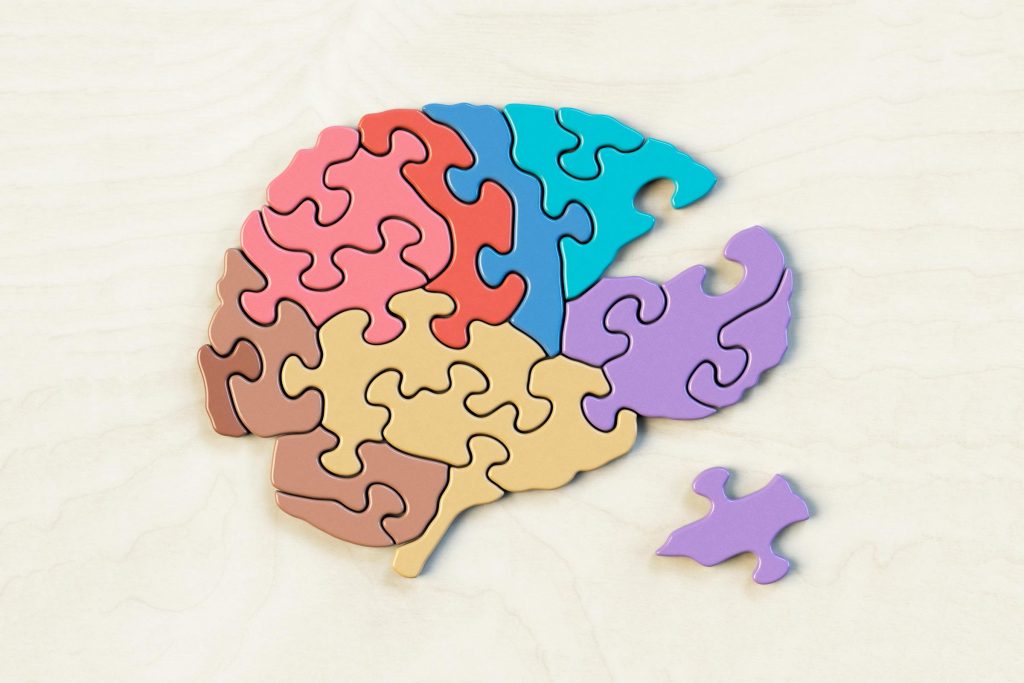
Exploring the Spectrum of Creative Challenges
As we navigate the turbulent waters of modern life, the importance of creative challenges becomes increasingly evident. These activities not only provide an outlet for self-expression but also serve as a powerful means of coping with stress. Engaging in creativity fosters an environment where adults can explore their passions, develop new skills, and find solace in productive endeavors.
The sheer variety of available creative challenges can be staggering, allowing individuals to select pursuits that resonate with their interests and needs. Here are several popular options that can invigorate the mind and spirit:
- Writing Challenges: Writing can be a therapeutic release, and challenges such as poetry slams, flash fiction contests, or email prompts encourage writers to explore their imaginations. Numerous online platforms host writing competitions, fostering a sense of community among participants who share their works and provide constructive feedback.
- Cooking and Baking: Culinary creativity not only satisfies the body but also engages the mind. Cooking challenges, like weekly themed dinners or ingredient competitions, prompt individuals to think outside the box. Whether preparing a multi-course meal or baking an innovative dessert, the experience allows for experimentation and joy in the kitchen.
- <strong Photography Projects: For those with a keen eye for detail, taking on photography challenges can encourage perspective shifts and ignite passion. Initiatives like ‘30 Days of Gratitude’ require participants to capture a moment each day that reflects their appreciation for life. This focus helps cultivate mindfulness and inspires creativity in everyday experiences.
- Crafting Initiatives: Crafts are not only enjoyable but also offer a tactile experience that can ground adults during stressful times. DIY projects, from knitting to woodworking, can be pursued individually or in groups. Crafting challenges often lead to a sense of accomplishment as participants produce something tangible, fostering pride and satisfaction.
- Performing Arts: Engaging in performing arts—be it acting, dancing, or improv—can liberate pent-up emotions and enhance connectivity with others. Community theaters and improv groups frequently organize challenges to encourage participation and push the boundaries of creative expression.
These challenges have far-reaching effects that transcend the immediate sense of achievement. For many adults, they provide a much-needed reprieve from the pressures of daily life, creating islands of calm amidst chaos. Moreover, they help build resilience by offering avenues to express one’s emotions, articulate thoughts, and forge connections with like-minded individuals. In this way, engaging with creative challenges not only supports personal growth but also reinforces a sense of community that is vital during stressful times.
Ultimately, the key to overcoming stress lies in recognizing the value of creativity as a tool for transformation and healing. By stepping outside of their comfort zones and embracing these challenges, adults can unlock new realms of potential and cultivate a deeper understanding of themselves and their capabilities. The journey through creativity may very well be the antidote to the pressures that weigh heavily on the contemporary adult.
| Creative Activity | Benefits |
|---|---|
| Art Therapy | Encourages self-expression and emotional release through creativity. |
| Mindful Coloring | Reduces anxiety by improving focus and promoting a state of flow. |
| Writing Prompts | Stimulates creativity while providing a therapeutic outlet for thoughts and feelings. |
| Puzzle Challenges | Enhances cognitive function, problem-solving skills, and mental clarity. |
Engaging in creative challenges is a powerful way to stimulate the mind, especially during stressful times. Activities like art therapy not only serve as a means of self-expression but also help individuals process their emotions creatively. Such activities can provide an effective outlet for pent-up stress and anxiety.Additionally, mindful coloring has gained popularity as a form of relaxation; it encourages adults to immerse themselves in a colorful world, fostering a state of flow that calms the mind. Writing prompts offer another valuable avenue for exploring thoughts, allowing participants to articulate feelings and experiences, which can be particularly beneficial when grappling with overwhelming emotions.Lastly, engaging in puzzle challenges not only serves as a form of entertainment but also enhances cognitive function. These activities encourage critical thinking and problem-solving, which can greatly contribute to a more resilient mindset. As adults embrace these creative challenges, they often discover new facets of creativity while managing stress effectively.
DIVE DEEPER: Click here to discover more
The Therapeutic Power of Creative Expression
While the activities mentioned earlier certainly ignite creativity, their therapeutic benefits extend far beyond mere enjoyment. Participating in creative challenges can play a pivotal role in enhancing mental health, especially during stressful periods. The act of creation engages various parts of the brain, which can lead to improved mood, increased clarity of thought, and a heightened sense of inner peace.
One prominent trend that has emerged in recent years is the practice of art therapy. Many professionals now recognize that artistic expression can significantly alleviate symptoms of anxiety and depression. Programs incorporate painting, drawing, or sculpting as a means of communication when words fail. Various workshops and online courses have sprung up across the United States, encouraging adults to channel their emotions into visual art, resulting in not just the creation of artwork but also deeper self-reflection.
Furthermore, studies have shown that engaging in music-related challenges can serve as a release mechanism for emotions and stress. Learning to play an instrument or participating in group singing can increase oxytocin levels in the body, often referred to as the “bonding hormone.” Online platforms like YouTube and social media groups facilitate this by providing resources and communities for beginners and seasoned musicians alike. Every strum, note, or percussion hit becomes a step toward healing and self-awareness.
Moreover, technology has revolutionized the way we engage with creative challenges. With mobile apps focused on brain games and creativity-building activities, adults can now have access to stimulating challenges right in their pockets. Apps such as Duolingo not only teach new languages but also evoke language-related creativity by pushing participants to form sentences or engage in storytelling, all of which can enhance cognitive flexibility and verbal skills. The intersection of creativity and technology allows adults to prioritize mental health while integrating fun and intellectual growth.
Another compelling option for stressful times is the collaborative arts. Groups can come together for community mural projects, collective storytelling sessions, or even virtual craft nights, fostering not only creativity but also camaraderie. Such initiatives not only combat the isolation often felt during stressful moments—especially evident during recent circumstances—but also yield a sense of belonging and shared purpose that can be deeply comforting.
Crafting, too, has seen a resurgence in popularity. Many have taken to online platforms to share their latest DIY projects, turning individual pursuits into a community-wide celebration of creativity. Social media challenges like #CraftingDuringQuarantine have inspired people to take everyday items and transform them into extraordinary creations, enhancing both problem-solving skills and innovative thinking.
The psychological benefits of these challenges cannot be overstated. Adults often report a heightened sense of accomplishment, self-worth, and connectedness to others after engaging in creative activities. Reports from various mental health organizations indicate that consistent participation in creative outlets can decrease cortisol levels—often dubbed the “stress hormone”—thereby promoting overall well-being. This data underscores the importance of fostering creativity, not only as a hobby but also as an integral part of a balanced lifestyle.
Ultimately, creative challenges stand as a testament to the resilience of the human spirit. Whether through art, music, or collaborative efforts, individuals are constantly finding innovative avenues for self-care and healing amid stress. эти options allow adults to harness their creativity, resulting in profound benefits for mental health and personal growth.
DISCOVER MORE: Click here to dive deeper
Embracing Creativity for Mental Resilience
In conclusion, exploring creative challenges during stressful periods offers adults not only a pathway to expression but also a significant boost to mental well-being. Engaging in activities such as art therapy, music creation, or collaborative projects introduces essential tools for coping with anxiety, enhancing emotional stability, and fostering connections with others. Each brush stroke, melody, or shared crafting experience becomes a vital opportunity for individuals to process their emotions and cultivate a sense of belonging.
Moreover, as technology continues to blend with creativity, it has made accessing these challenges easier than ever. With a wealth of apps and online resources now available, adults can delve into new skills and hobbies from the comfort of their homes or while on the go. This accessibility is pivotal, especially in a society where stressors can arise unexpectedly, reminding us that creativity can be a lifelong journey rather than a momentary escape.
Ultimately, acknowledging the profound impact of creative endeavors underscores the importance of prioritizing mental health. By embracing creative challenges, individuals can foster resilience within themselves, turning stress into a catalyst for personal growth and enhanced well-being. As we navigate uncertain times, let us invest in our creativity, for it is through these challenges that we may discover our inner strength and vibrant capacity for connection and healing.
Related posts:
Challenges of Collaborative Puzzles: Fostering Innovation in Teams through Creative Games
The Influence of Creative Challenges in Education: How Mind Games Can Transform Learning
Unraveling the World of Enigmas: How Creative Challenges Stimulate Curiosity and Critical Thinking
The Evolution of Logic Games: How New Technologies Are Reshaping Creative Challenges
Design Challenges: Using Puzzles to Stimulate Creativity in Artistic Projects
Exploring the Cognitive Benefits of Creative Games: How Mental Challenges Can Enhance Creativity

Linda Carter is a writer and puzzle expert specializing in mind games, brain teasers, and cognitive challenges. With extensive experience helping individuals enhance their problem-solving skills and think critically, Linda shares her knowledge on our platform. Her goal is to empower readers with practical advice, engaging puzzles, and strategies to sharpen their minds and achieve success in the captivating world of mind games and puzzles.