How Crossword Puzzles Can Stimulate Memory Recall and Vocabulary Retention
The Cognitive Benefits of Crossword Puzzles
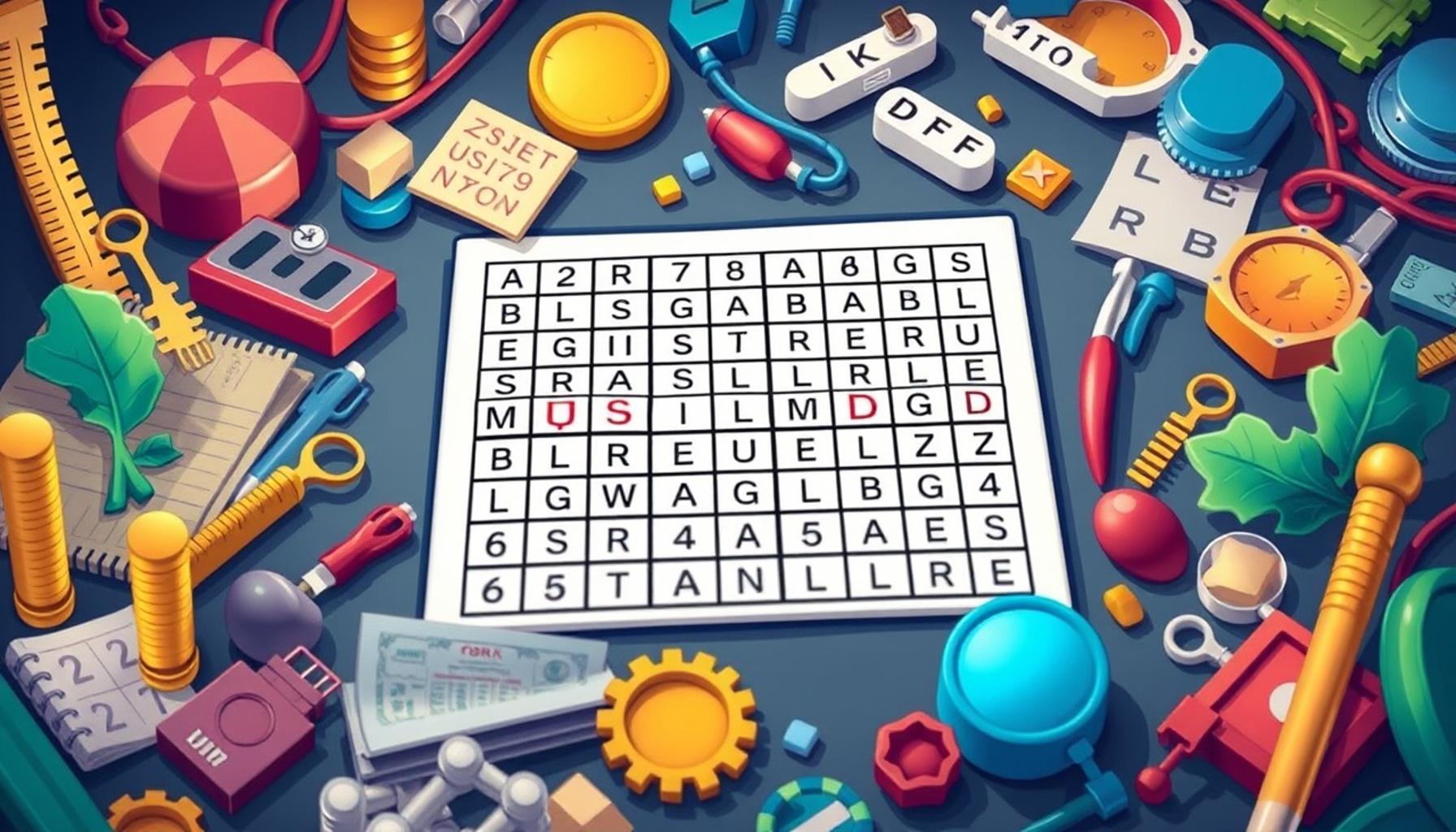
Crossword puzzles serve not only as a source of entertainment but also as a significant booster for cognitive health. Engaging with these structured grids filled with clues and answers allows individuals to exercise their brains in ways that traditional forms of entertainment cannot. The advantages of regularly engaging in crossword puzzles extend beyond simple enjoyment; they also contribute to key areas of cognitive development such as memory recall and vocabulary retention.
Active Engagement and Focus
Solving a crossword puzzle requires active engagement from the participant. This form of mental exercise demands focus, critical thinking, and pattern recognition. Each clue acts as a mini-puzzle, stimulating the brain’s problem-solving pathways. Unlike passive activities like watching television, working on a crossword prompt requires the solver to draw on knowledge and reasoning skills, thereby enhancing mental acuity. For instance, recalling the name of a classic film to fit into a specific grid can activate various areas of the brain linked to memory and language.
Memory Training Through Challenge
Regularly tackling crossword puzzles can serve as practical memory training. Studies suggest that the mental challenge posed by puzzles increases the brain’s resilience and adaptability. For example, a person who consistently works on crosswords may find it easier to remember names, dates, and other important information. The act of repeatedly retrieving information when trying to solve clues effectively strengthens neural connections related to memory. Over time, this exercise can help delay cognitive decline, making it an invaluable tool for individuals of all ages, particularly seniors who may be concerned about Alzheimer’s or other memory-related conditions.
Vocabulary Expansion and Language Mastery
Another notable benefit of crosswords is their ability to enhance vocabulary retention. Each new puzzle introduces fresh words and phrases, encouraging solvers to investigate their meanings and usages. For instance, a clue referring to a lesser-known botanical term might prompt a solver to look up its definition, thereby expanding their lexicon. This kind of learning is particularly beneficial for students and language enthusiasts who seek to master new vocabulary in both casual and academic settings.
Improving Overall Cognitive Function
The perks of regular crossword practice extend even further. Benefits include:
- Improved problem-solving skills: Crosswords encourage users to think critically and approach challenges methodically.
- Strengthened memory pathways: The act of recalling answers enhances information retention and neural connectivity.
- Increased mental agility and flexibility: The diverse nature of clues teaches solvers to adjust their thinking and strategies.
In essence, crossword puzzles present a unique intersection of fun and functionality. As one dives deeper into this engaging activity, they discover not just the thrill of solution-finding but also invaluable benefits for brain health and language proficiency. Whether you’re a seasoned veteran of the puzzle world or a newcomer eager to explore, integrating crosswords into your daily routine can lead to enriching cognitive outcomes that beckon further exploration and discovery.
DIVE DEEPER: Click here to discover more
Unlocking Memory and Language Skills Through Crosswords
Crossword puzzles, often seen as leisure activities, can significantly boost memory recall and enhance vocabulary retention. The structure of these puzzles, requiring solvers to fill in words based on clues, creates a unique environment for cognitive engagement that fosters learning and memory. Consider the way a crossword player may confront the inquiry, “What five-letter word means an intense fear of spiders?” The challenge is not merely about providing an answer; it prompts the individual to delve into their lexicon and retrieve relevant knowledge, thereby activating various memory systems within the brain.
The Science Behind Memory Recall
Engaging with crossword puzzles ignites a series of cognitive processes that optimize memory recall. According to research, solving crossword puzzles encourages the brain to retrieve stored information actively. When you wrestle with clues or attempt to fit a word into the grid, you are exercising what cognitive psychologists refer to as retrieval practice. This method has been shown to strengthen memories by actively pulling information from the depths of your mind, thus reinforcing neural pathways crucial for future access.
Moreover, the consistent practice of trying to recall words or phrases enhances confidence in one’s recall abilities. For example, a study published in the journal *Psychological Science* highlights that older adults who regularly engage in crossword puzzles exhibit improved performance on memory tests compared to their peers who do not. The stimulating nature of these puzzles reinforces the idea that memory is not a static skill but rather something that can be cultivated with effort and intent.
Connecting Language and Learning
Vocabulary retention is intricately linked to the practice of crossword puzzles. The diverse range of clues encountered challenges solvers to expand their vernacular. When confronted with a clue like, “This aquatic creature is a popular delicacy from the ocean,” one not only works to recall the word ‘lobster’ but may also find themselves considering related culinary terms. Engaging with new words and their contexts leads to greater understanding and retention.
Crosswords also present a unique opportunity for contextual learning. Words encountered in puzzles, accompanied by their definitions or related clues, help to solidify an individual’s grasp on various language components, including etymology and usage. For students, these skills can translate into enhanced performance not just in vocabulary tests but across academic subjects. Here are some of the ways crossword puzzles can aid vocabulary growth:
- Exposure to rare words: Crosswords often incorporate uncommon terms, encouraging learners to explore their meanings.
- Reinforcement through repetition: Frequently solving puzzles that contain specific vocabulary enhances memory retention of those words.
- Contextual usage: Clues often embed words within a context, helping solvers understand not just what a word means, but how to use it properly.
In summary, the integrative experience of solving crosswords unlocks tremendous potential for enhancing memory recall and vocabulary retention. By actively challenging the brain, crossword puzzles provide a stimulating way to engage with language and cognitive functions. They represent a fun and interactive approach to learning, paving the way for a richer vocabulary and improved memory skills that extend beyond the puzzle grid.
Exploring the Cognitive Benefits of Crossword Puzzles
Crossword puzzles are more than just a pastime; they are a powerful tool for enhancing cognitive abilities. Engaging with these word games stimulates different areas of the brain, ultimately contributing to stronger memory recall and improved vocabulary retention. The process of solving a crossword puzzle requires the use of both recall and recognition memory, which are crucial components of effective learning. As players attempt to fill in the blanks, they draw upon their existing knowledge, challenging themselves to remember words and facts that may have slipped their minds. This not only reinforces their current vocabulary but also introduces them to new words, enhancing their language skills.Moreover, crossword puzzles encourage mental flexibility. Solvers often need to think creatively to find synonyms or alternative words that fit the given clues. This brain exercise fosters better problem-solving skills and increases cognitive agility. By regularly engaging with crossword puzzles, individuals can positively impact their brain health as they age, making it an enjoyable method to ward off cognitive decline.Additionally, there’s a notable link between crossword puzzles and neuroplasticity. As participants continuously challenge their minds with new patterns and words, they pave the way for new neural connections. This ongoing development ensures that their brain remains active and adaptable, crucial elements for long-term memory retention.For those looking to boost their language skills or maintain cognitive health as they grow older, incorporating crossword puzzles into their daily routine could be a smart move. The simple act of uniting words and clues in a crossword puzzle spans across various age groups and skill levels, making it accessible and beneficial for everyone.
| Category | Advantages |
|---|---|
| Mental Stimulation | Enhances cognitive functions through challenging problems |
| Vocabulary Expansion | Introduces new words, improving language proficiency |
| Memory Reinforcement | Aids in the retention of information through active recall |
| Problem-Solving Skills | Encourages creative and critical thinking necessary for solutions |
By integrating crossword puzzles into your routine, you not only entertain yourself but also embark on an enriching journey towards better brain health and language mastery.
DISCOVER MORE: Click here to learn about the impact of time pressure on memory
The Role of Social Interaction in Crossword Solving
Another fascinating facet of crossword puzzles is their ability to foster social interaction, which can also significantly enhance memory recall and vocabulary retention. Completing a crossword puzzle often serves as a communal activity, whether in a coffee shop, a family gathering, or even online forums. When individuals work together, they pool their unique knowledge and experiences, creating a dynamic learning environment that amplifies cognitive stimulation.
Collaboration and Knowledge Sharing
Collaborative puzzle-solving introduces an element of knowledge sharing that is intrinsic to learning. For instance, one participant may recognize a clue related to a particular cultural reference or historical figure that others are unfamiliar with. As the group deliberates over the answers, members are exposed to a variety of vocabulary and meanings, expanding their understanding while simultaneously improving their recall capability. In essence, the collective effort not only aids in filling out the puzzle but also reinforces learning as participants verbalize their thoughts and insights.
Moreover, social interaction encourages participants to use language actively, which is essential for mastering any new vocabulary. A study published in the *Journal of Educational Psychology* found that working in groups not only increases retention rates but also enhances creative problem-solving skills. By discussing potential answers and reasoning through clues aloud, individuals reinforce their memory through practice, which has lasting benefits beyond just crossword puzzles.
Stimulating Competition and Motivation
Social features of crossword puzzles can also introduce a layer of friendly competition, which can heighten the stakes and invigorate the solving experience. Timed crossword challenges with friends or family can create an exciting atmosphere where each participant is incentivized to recall answers quickly and accurately. According to research from the *American Journal of Community Psychology*, competitive environments can lead to increased motivation and engagement, ultimately resulting in improved learning outcomes.
This competitive aspect not only helps in retaining vocabulary but also encourages players to explore new words and strategies for recalling them effectively. Facing off against a friend in a crossword race may push individuals to broaden their knowledge, embracing more obscure terms or word variations just to gain an edge. This drive to learn can inspire players to investigate words off the grid, further solidifying their understanding and recall of language.
Integrating Technology: Apps and Online Communities
In today’s digital age, crossword puzzles have found a vibrant online presence, leading to the emergence of numerous apps and online platforms designed for puzzle enthusiasts. Applications that allow users to solve crosswords collaboratively enable instant interaction with fellow solvers across the globe. These platforms often come equipped with hints, forums for discussion, and expansive databases of vocabulary, making it easier than ever to both compete and learn.
Moreover, many apps track progress over time, providing essential feedback that helps players see how their memory recall and vocabulary retention improve. This analytical perspective can motivate users to continue engaging with the activity, thereby completing more puzzles and enhancing their language skills in the process. The blend of technology and crossword solving makes it feasible to reap cognitive benefits regardless of geographical boundaries, setting the stage for a global exchange of knowledge even around something as simple as a crossword puzzle.
In sum, the multi-dimensional aspects of crossword puzzles—social interaction, collaboration, competition, and technology—collectively create an enriching framework for enhancing memory recall and vocabulary retention. As solvers engage in this cognitive workout, they simultaneously foster a community of learning that stretches far beyond the puzzle grid itself.
DIVE DEEPER: Click here to discover the science of memory-boosting puzzles</p
Conclusion: Unlocking Cognitive Potential through Crossword Puzzles
As we have explored, crossword puzzles serve as much more than mere recreational activities; they are profound tools that can enhance memory recall and vocabulary retention through various engaging methods. By tapping into the power of social interaction, these puzzles foster collaboration, allowing individuals to share knowledge and insights that reinforce learning. The collaborative nature of solving puzzles not only benefits the participants but also enriches the overall experience, showcasing the communal aspect of language learning.
Furthermore, the element of friendly competition stimulates cognitive processes that can lead to heightened motivation and engagement. Timed challenges encourage players to refine their skills and explore the intricacies of language as they race against one another, igniting a passion for words that might have otherwise remained dormant. The integration of technology into crossword culture only elevates this experience, making it accessible to a global audience and paving the way for continuous learning through online platforms.
Ultimately, the beauty of crossword puzzles lies in their multifaceted approach to cognitive enhancement. Whether you’re tackling one solo or collaborating with friends in a lively debate over the correct answers, these puzzles open doors to new vocabulary, improved memory strategies, and a deeper appreciation of language. Engaging regularly with crossword puzzles can transform the way we think and learn, proving that sometimes, a fun challenge can yield significant cognitive benefits. So why not dive into a crossword puzzle today and embark on a journey that not only sharpens your mind but also enriches your vocabulary?
Related posts:
Unlocking the Power of Mnemonics: Incorporating Memory Techniques into Mind Games
The Impact of Social Interaction in Cooperative Puzzles on Memory Improvement
The Role of Emotional Engagement in Memory Games: How Feelings Impact Recall
Memory Retention Through Play: The Role of Brain Teasers in Strengthening Recall
The Effects of Time Pressure in Mind Games on Short-term Memory Performance
The Role of Visual and Spatial Memory in Solving Jigsaw Puzzles

Linda Carter is a writer and puzzle expert specializing in mind games, brain teasers, and cognitive challenges. With extensive experience helping individuals enhance their problem-solving skills and think critically, Linda shares her knowledge on our platform. Her goal is to empower readers with practical advice, engaging puzzles, and strategies to sharpen their minds and achieve success in the captivating world of mind games and puzzles.