
Unlocking Your Productivity Potential
Managing a busy life often feels like juggling too many balls in the air. In a world where distractions are omnipresent, establishing a task prioritization system can streamline your daily activities and enhance your efficiency. Many individuals find themselves overwhelmed, trapped in a cycle of endless tasks without a clear direction. Understanding the necessity of a prioritization system is crucial in regaining control over your responsibilities and boosting overall productivity.
Why create a prioritization system? Here are a few compelling reasons:
- Improved Focus: Concentrate on what truly matters in both your personal and professional life. For instance, if you are a student, focusing on assignments due tomorrow rather than those due next week can lead to better grades.
- Reduced Stress: Alleviate the pressure of overwhelming to-do lists. Studies show that individuals who establish clear priorities are less likely to experience burnout as they tackle what is crucial rather than spreading attention too thin.
- Better Time Management: Make the most out of every hour. By prioritizing tasks, you optimize your workflow and can allocate specific time slots for high-impact activities, which is especially valuable in fast-paced work environments.
Determining the right approach requires understanding your style, goals, and tasks. To effectively create a system that resonates with your personal and professional life, consider the following elements:
- Identify Key Tasks: Acknowledge what tasks have the highest impact on your goals. For example, if your aim is to land a new job, prioritize networking and updating your resume above less urgent tasks.
- Assess Urgency: Distinguish which tasks need immediate attention. Employing techniques such as the Eisenhower Matrix can help categorize tasks based on urgency and importance, allowing you to tackle time-sensitive issues first.
- Use Tools and Techniques: Explore what methods or apps suit your workflow best. Tools like Trello or Todoist can assist in visualizing your tasks, while techniques like the Pomodoro Technique can enhance focus by breaking work into manageable intervals.
In this article, we will explore various strategies to help you craft a task prioritization system uniquely tailored to your needs. Get ready to discover practical techniques that could transform how you approach your daily responsibilities. Whether through digital applications or analog methods like bullet journaling, finding the right fit will empower you to take charge of your schedule and ultimately unlock your productivity potential.
DISCOVER MORE: Click here to learn about the importance of flexibility
Establishing Your Prioritization Framework
Creating an effective task prioritization system begins with setting a foundational framework that aligns with your responsibilities and future ambitions. A personalized system allows you to navigate your tasks with clarity, ensuring that each effort contributes toward your larger objectives. Here are key steps to consider as you embark on this organizational journey:
1. Define Your Goals
To prioritize effectively, it’s essential to understand your goals—both short-term and long-term. What are the projects that truly matter to you? Start by listing out your major objectives across different areas of your life, such as career advancement, personal development, or wellness. This serves as the backdrop for assessing your daily tasks. Once you have your goals, it becomes easier to determine which tasks align with these aspirations.
2. Categorize Your Tasks
Next, categorize your tasks based on factors such as importance, urgency, and effort required. Using a method like the Eisenhower Matrix can be particularly effective. This tool allows you to divide your tasks into four quadrants:
- Quadrant 1: Urgent and Important – Tasks that need immediate attention.
- Quadrant 2: Important but Not Urgent – Strategic activities essential for your long-term goals.
- Quadrant 3: Urgent but Not Important – Tasks that may seem pressing but do not significantly contribute to your goals.
- Quadrant 4: Not Urgent and Not Important – Low-priority activities that can be minimized or eliminated.
By visually categorizing your tasks, you gain insights into what truly warrants your attention and what can wait. This not only helps streamline your focus but also reduces decision fatigue—an often-overlooked hurdle in productivity.
3. Use Time Blocks
In conjunction with categorization, consider integrating time blocking into your routine. This method involves allocating specific blocks of time for particular tasks based on their priority level. For example, you might reserve your most productive hours in the morning for work on projects from Quadrant 2, such as refining your skills or strategizing for a major presentation. Meanwhile, tasks that fall into Quadrant 3 can be scheduled during less intense times of the day.
Using a calendar or planning app can significantly enhance this approach by allowing you to visually see your commitments and adjust as necessary. Incorporating reminders can also help you stay on track and pivot as tasks evolve.
Establishing a task prioritization system that works for you is not a one-size-fits-all approach. Identifying your unique preferences and simultaneously applying strategies that resonate with your personal and professional life is vital. As you delve further, you’ll discover additional innovative techniques that can refine your prioritization journey and ultimately boost your productivity.
Understanding Your Tasks and Priorities
To craft an effective task prioritization system, you first need to gain a clear understanding of the tasks you face. Begin by cataloging all your tasks, no matter how small. Break them down into categories such as urgent, important, and less critical. This segmentation allows you to visualize what you need to tackle on a daily, weekly, or monthly basis. One popular framework for task prioritization is the Eisenhower Matrix, which helps you distinguish between what is urgent and what is important. By plotting your tasks on this matrix, you can easily decide where to focus your efforts, ensuring that you are not merely reacting to urgent demands but are instead prioritizing tasks that align with your goals. Another technique is the ABCD method, where you label tasks A (very important), B (important), C (less important), and D (delegate). This simple classification system can streamline your decision-making process, making it easier to tackle high-priority tasks first.
Create a System That Suits Your Style
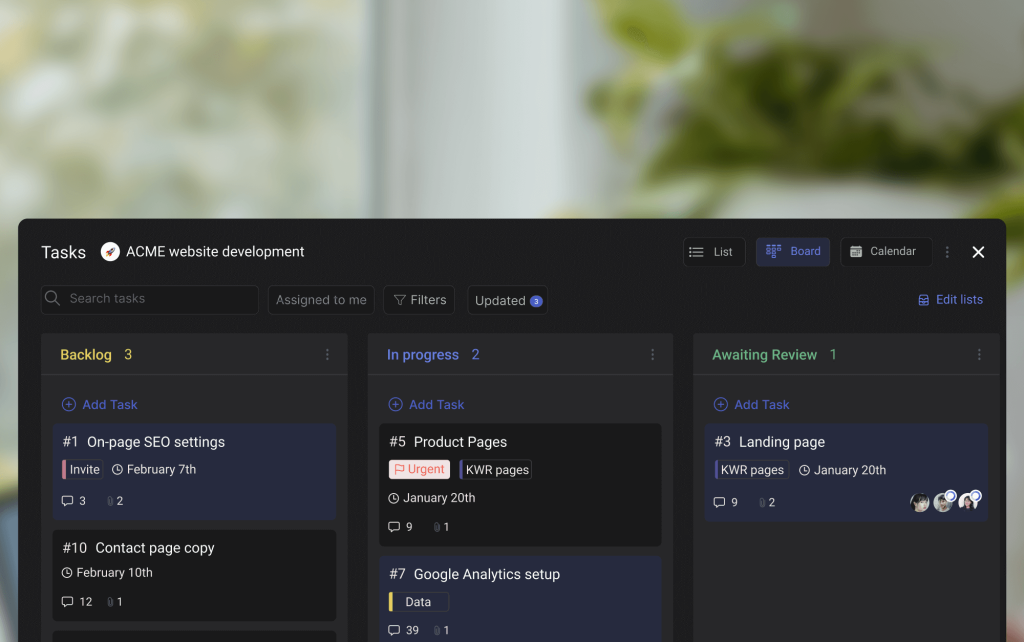
Your task prioritization system should be tailored to fit your work style and personal preferences. Some individuals might excel with digital tools like task management applications, while others may prefer analog solutions like bullet journals or planners. Experiment with different methods and tools, and remain open to adapting them as your workflow evolves.Visual tools such as kanban boards can provide a clear representation of your tasks, helping you to track progress and swiftly adjust priorities as new tasks arise. Whether you choose physical index cards or an online platform, the aim is to create a visual flow that enables you to focus on the most impactful tasks every day.Incorporating deadlines and milestones into your system can also enhance productivity. By setting timeframes for your tasks, you create a sense of urgency that motivates completion and maintains momentum. Ultimately, the best task prioritization system is one that you are consistent with. It should serve as a roadmap to guide you through challenges, ensuring you maintain focus and achieve your objectives methodically and efficiently.
| Category | Features |
|---|---|
| Eisenhower Matrix | Helps differentiate tasks based on urgency and importance. |
| ABCD Method | Categorizes tasks to prioritize effectively, promoting focus on critical tasks. |
By utilizing these detailed methods and tools, you can refine your task prioritization system to better serve you in achieving your goals. The flexibility to adapt and the commitment to utilize your chosen system regularly are key components that will lead you towards productivity and success.
DISCOVER MORE: Click here to learn about effective strategies
Implementing and Refining Your Prioritization System
Once you’ve established your foundational framework for task prioritization, the next step revolves around implementation and continuous refinement. It’s critical to remember that a prioritization system is a living entity; it should evolve with your changing responsibilities, goals, and preferences. Here are some strategies to help you successfully implement and fine-tune your task prioritization system:
1. Track Your Progress
Regularly monitor and assess your progress concerning the tasks you’ve prioritized. Keeping a simple journal or using project management software aids in evaluating how effectively you are managing your responsibilities. Consider asking yourself questions like: Are you consistently completing your tasks? Are there recurring blocks that hinder your progress? Tracking your performance not only reveals insights into your work habits but also fosters accountability, helping you stay on course through the hustle of daily demands.
2. Embrace Flexibility
While structure and organization are vital, imbuing your system with a degree of flexibility is equally important. Life is unpredictable, and new tasks or emergencies often arise that demand immediate attention. Be prepared to adjust your priorities and make modifications to your time blocks as needed. For instance, if an urgent request from your boss appears, it may warrant a temporary reallocation of your resources and focus. Cultivating a mindset that welcomes change can significantly reduce stress levels and keep you agile in a dynamic work environment.
3. Leverage Technology
The modern era offers various digital tools that can aid in organization and enhance your prioritization system. Utilize apps such as Todoist, Trello, or Asana, which can help you categorize, prioritize, and track your tasks with remarkable ease. Furthermore, many of these platforms enable team collaboration, which ensures a seamless workflow if you work in a group environment. Automating reminders and follow-up notifications can also assist in keeping your tasks at the forefront of your daily agenda, thereby enhancing productivity.
4. Periodic Reviews and Adjustments
Once a week, dedicate time to review your tasks, evaluate completed projects, and adjust your priorities for the coming week. This practice allows you to recognize areas of improvement in your prioritization process and can also serve to renew focus on your overarching goals. During this assessment, consider analyzing which tasks have led to significant progress and which ones were less impactful. This will provide clarity on how to optimize your efforts effectively.
5. Incorporate Self-Care
Finally, don’t underestimate the *importance of self-care* in your task prioritization system. A well-rested and healthy individual is naturally more productive. Ensure to allocate time for breaks, relaxation, and activities that rejuvenate your mental and physical well-being. Integrating self-care into your routine reduces burnout and enhances your capacity to focus on prioritization effectively.
By actively involving yourself in the construction and evolution of your task prioritization system, you cultivate not just efficiency but also a greater sense of control and achievement. The personal insights gained during this ongoing process contribute to creating a robust system tailored uniquely to your lifestyle and aspirations.
DIVE DEEPER: Click here to learn more
Conclusion
In a world bustling with commitments and deadlines, establishing a task prioritization system can transform not just your productivity but your overall well-being. By actively engaging with each of the elements discussed—tracking progress, embracing flexibility, leveraging technology, conducting periodic reviews, and prioritizing self-care—you build a personalized framework that honors your unique work style and aspirations. Remember, the key is to recognize that prioritization is not a one-size-fits-all solution; it’s a dynamic process that should adapt as your circumstances and objectives evolve.
Moreover, as you implement and refine this system, stay open to experimenting with different methods and tools until you discover what resonates best with you. For instance, using digital apps can streamline your approach and save you time, while regular self-assessments can clarify your goals and celebrate your achievements. Balancing productivity with self-care will not only help prevent burnout but also ensure that you remain engaged and energized to tackle your priorities head-on.
Ultimately, crafting a task prioritization system that works for you is an empowering journey, enabling you to navigate your responsibilities with clarity and confidence. As you make these changes, you might uncover new ways to manage your time effectively and discover that focus, accomplishment, and personal growth are well within reach. So take the plunge; start today and evolve your task prioritization system into one that not only serves your needs but also enriches your life.
Related posts:
The Influence of Organizational Culture on Task Prioritization in Companies
The Psychology of Prioritization: How Your Habits Affect Decision Making
Task Prioritization in Remote Teams: Strategies for Efficient Collaboration
Prioritization Strategies for Students: Managing Time Amid Multiple Academic Demands
The Art of Prioritization: How to Decide What to Do First in a World Full of Distractions
Effective Task Prioritization Methods: Comparing the Eisenhower Method and the Prioritization Matrix

Linda Carter is a writer and productivity and personal organization specialist focused on helping readers build better routines, manage their time, and stay on top of daily priorities. With experience covering practical planning methods, habit-building strategies, and tools for organization, Linda shares actionable guidance on our platform. Her goal is to empower readers with clear, realistic tips to work smarter, reduce overwhelm, and stay consistent over time.