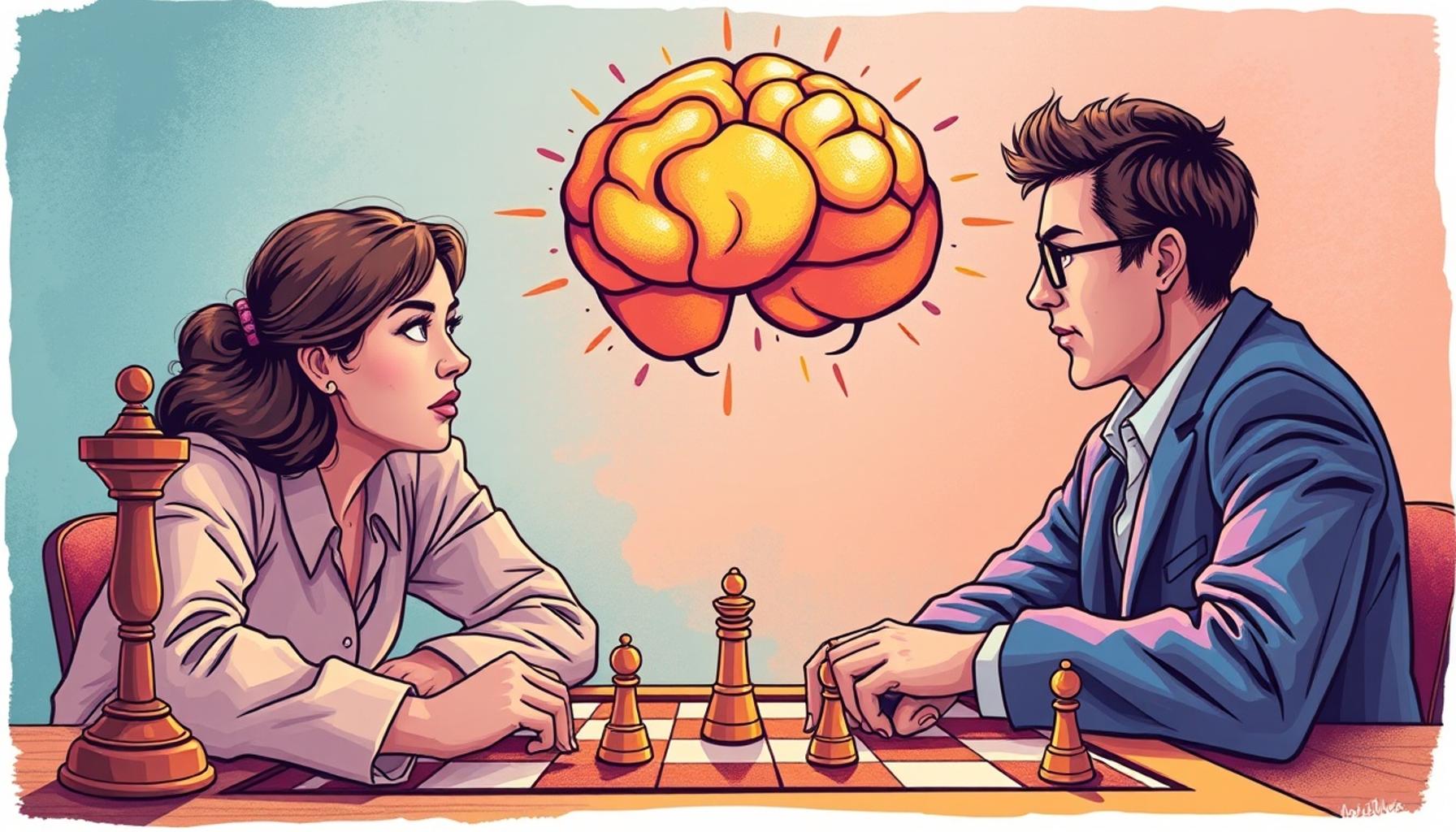
The connection between logical reasoning and emotional intelligence in strategy games
The Interplay of Mind and Emotions
In the realm of strategy games, players find themselves not merely as participants but as tacticians, blending thought and feeling in ways that can significantly alter their gameplay experience. This intricate balance between logical reasoning and emotional intelligence is pivotal, as it not only shapes the game’s outcome but also enhances cognitive abilities that are applicable in various real-life situations. Strategy games, whether they are traditional board games like Chess and Risk or digital offerings such as StarCraft and Civilization, provide rich environments for this mental and emotional interplay.
Engaging with these games requires players to utilize a blend of mental faculties, resulting in a multi-faceted challenge. Here are some key features that underline this complexity:
- Critical Thinking: Players must analyze numerous potential scenarios and anticipate opponents’ strategies. For instance, in a game like Chess, evaluating whether to safeguard a piece or position aggressively is crucial, as each choice has long-term implications.
- Emotional Regulation: The ability to manage stress and maintain focus under pressure is essential in high-stakes games. A player might start to feel anxious during a crucial match in a card game like Poker, where each decision can sway the game. Successful players develop techniques to calm their nerves, which in turn helps clarify their thinking.
- Social Interaction: Many strategy games foster collaboration or competition, resulting in rich social dynamics. For example, team-based games like Overwatch require players to communicate their strategies and effectively work together, navigating both their own objectives and their teammates’ emotions.
The convergence of these elements creates a holistic gaming engagement, where attaining success involves a dual challenge of intellectual and emotional acuity. The ability to process emotions is not merely a soft skill—it can significantly enhance decision-making processes, allowing players to make more informed and profound strategic choices. This is especially relevant in fast-paced games where split-second decisions can lead to victory or defeat.
Moreover, the skills honed through strategic gameplay are directly transferrable to real-world scenarios. Whether negotiating a business deal or navigating interpersonal relationships, the insights gained from mastering emotional intelligence and logical reasoning can be invaluable. In environments that demand quick thinking and emotional resilience, these attributes can distinguish a successful negotiator from an unsuccessful one.
This exploration of the interplay between emotion and logic underscores the potential to revolutionize one’s approach to strategy games. By understanding how these two domains interact, players can transform themselves into adept tacticians. As players delve deeper into strategic mechanics and emotional responses, they gain a greater understanding of handling complex challenges, not only in games but also in everyday life.
DIVE DEEPER: Click here to discover the link between memory games and brain health
Blending Logic and Emotion for Strategic Mastery
At the heart of every great strategy game lies a delicate balance between logical reasoning and emotional intelligence. Players often focus on calculated moves, assessing risks and rewards to outmaneuver their opponents. However, success in these games is increasingly being recognized as not just a product of intellectual prowess but also of the ability to understand and manage emotions—both one’s own and those of others in the game. This junction of mental acuity and emotional insight is especially crucial in competitive environments where the stakes are high.
To appreciate the connection further, it is essential to break down the ways in which these two faculties interact through various dimensions of gameplay:
- Decision-Making Under Pressure: In high-stakes games like Poker or Warhammer, players face moments where their emotional reactions could cloud their judgment. For instance, when a player loses a significant piece or faces unexpected moves from an opponent, the initial panic can lead to hasty decisions. However, players equipped with both logical reasoning and emotional intelligence are able to pause, assess the situation calmly, and make strategic choices that could turn the tide.
- Empathy and Anticipation: Understanding opponents’ mental states adds depth to gameplay. In many strategy games, such as Diplomacy, predicting the emotional responses of opponents can provide key insights into their strategies. Players capable of recognizing clues in their adversaries’ behaviors and reactions can devise more effective counter-strategies, giving them a competitive edge.
- Resilience and Adaptability: The emotional rollercoaster of winning and losing in strategy games can affect performance significantly. Players who can manage their emotions and remain resilient in the face of setbacks tend to perform better. In fast-paced scenarios like those found in real-time strategy games (RTS), maintaining focus and fluidity in handling changing circumstances directly correlates with their ability to adapt strategies on the fly.
This fusion of logical reasoning and emotional intelligence plays a vital role not only within the confines of gaming but also spills over into daily life experiences. For example, negotiating business deals or navigating complex social dynamics often demands the same blend of analytical and emotional skills. Research has shown that individuals who harness both faculties typically experience enhanced workplace performance and improved personal relationships.
Furthermore, as players engage in these strategic exercises, they learn valuable lessons about the importance of patience, critical thinking, and emotional regulation. They begin to realize that while tactical decisions—such as positioning and resource management—are essential, the ability to read the table and anticipate opponents’ moves can be equally influential. This understanding allows players to refine their approaches, not merely aiming for victory in the game at hand but also cultivating skills that lay the groundwork for success in real-world challenges.
In exploring the intricate connection between logical reasoning and emotional intelligence, players can unlock new potential within themselves. They become not just participants but true strategists who understand that the mind must work in tandem with emotions to foster an enriching gaming experience—and beyond.
The Connection Between Logical Reasoning and Emotional Intelligence in Strategy Games
In the realm of strategy games, the interplay between logical reasoning and emotional intelligence is multifaceted and profound. Players often find themselves navigating complex scenarios that demand both analytical prowess and the ability to read and respond to the emotions of their opponents. This blending creates a unique environment where success is not solely determined by one’s strategic acumen but also by interpersonal skills.One of the key benefits of developing logical reasoning in strategy games is the enhancement of problem-solving capabilities. Players are often faced with intricate puzzles or tactical challenges that require methodical thinking. For example, games like Chess or Go exemplify how logical analysis can lead to superior maneuvers and eventual victory. However, it is the players who also embody emotional intelligence—the ability to understand and manage one’s own emotions, as well as those of others—who often clinch wins in more dynamic settings.Moreover, emotional intelligence empowers players to forge alliances and negotiate in multiplayer strategy environments. This dynamic enhances the richness of gaming experiences, as players must calibrate their logical decisions with their understanding of others’ motivations and feelings. As they learn to anticipate reactions from fellow players, their gameplay evolves from solitary computation to a more collaborative and competitive art form.As such, strategy games serve as a compelling platform for honing both logical reasoning and emotional intelligence, paving the way for improved cognitive skills that extend beyond the gaming table. Engaging with these games trains players not only to think critically but also to empathize, offering a dual benefit that is increasingly valuable in today’s interconnected world.
| Category | Details |
|---|---|
| Logical Reasoning | Critical analysis and structured problem-solving skills. |
| Emotional Intelligence | Understanding emotions to influence decisions and interactions. |
The synergy between logical reasoning and emotional intelligence creates a competitive edge, transforming casual players into strategic veterans, adept at outmaneuvering opponents on both cognitive and emotional fronts. As players delve deeper into strategy games, they cultivate skills that invite exploration and mastery well beyond gaming.
DISCOVER MORE: Click here to learn about enhancing memory through play
Strategic Dynamics: Insights from Gaming Psychology
The interplay between logical reasoning and emotional intelligence in strategy games extends into various psychological dynamics that provide players with profound insights into both their own thought processes and those of their competitors. These psychological factors not only enhance gameplay but also reveal underlying principles applicable in broader contexts such as business strategy, social interactions, and personal development.
One key element in this dynamic is the concept of mind game theory. In games like Chess and Go, players engage in a continual assessment of potential responses, predicting how opponents will react to their moves. This requires a well-honed balance of logical reasoning—calculating outcomes based on position and piece value—and emotional intelligence—gaining a sense of when an opponent may be bluffing or feeling pressure. Research shows that players who successfully integrate these elements can maintain an edge, as they can more effectively formulate strategies that disrupt their foes’ plans while also safeguarding their own objectives.
Moreover, players often develop a keen sense of emotional cues, which allows them to better gauge the psychological mindset of their opponents. For example, in trading card games such as Magic: The Gathering, experienced players can detect subtle shifts in demeanor or behavior, signaling when their opponents are feeling confident or uncertain. This non-verbal communication adds an additional layer to the decision-making process—one that marries emotional awareness with logical strategy. Understanding when to capitalize on an opponent’s anxiety or tipping point can be the difference between triumph and defeat.
- Stress Management Techniques: In high-octane environments, players often encounter stressors that could jeopardize their performance. Those adept in emotional intelligence practice techniques like mindfulness or cognitive reframing to manage their emotional states and regain focus. By mitigating stress and preventing anxiety from clouding judgment, they lean on their logical reasoning to make well-thought-out decisions.
- Collaborative Gameplay: In multiplayer strategy games, players frequently form alliances, reminiscent of real-world negotiations. This collaboration necessitates a deep understanding of emotional dynamics as players must charm, persuade, and influence others while also maintaining their own interests. Those who excel in recognizing group emotions can forge stronger partnerships and manipulate social outcomes effectively.
Additionally, competitive gaming provides a platform for players to discover the importance of self-regulation. Managing one’s emotions—whether it be frustration after a loss or overconfidence following a win—translates into strategic decision-making that hinges on logical outcomes rather than emotional impulses. Players who master this balance are often more successful in navigating complex game environments where unpredictable elements are part of the experience.
Furthermore, as players engage with these concepts in strategy games, they can reflect on their real-world applications. For example, encountering challenging situations at work can evoke similar emotional responses to those faced in high-stakes games. Just as a gamer learns to remain calm under pressure, professionals can harness these lessons to navigate corporate landscapes, influence negotiations, and improve team dynamics.
Ultimately, a profound understanding of the connection between logical reasoning and emotional intelligence deepens not only the player’s experience but also contributes to personal growth outside the realm of gaming. Embracing these dual aspects ensures players evolve into nuanced strategists who can think critically while remaining emotionally aware—a skill set that is invaluable in any facet of life.
DON’T MISS OUT: Click here to learn about the impact of strategy games
Conclusion: The Synergy of Logic and Emotion in Strategic Play
In the realm of strategy games, the intricate relationship between logical reasoning and emotional intelligence emerges as a compelling narrative of player evolution. As we have explored, these games compel participants to not only formulate plans and execute strategies but also to navigate the complex emotional landscapes of their opponents. This dual engagement cultivates a richer understanding—one that extends beyond gameplay to manifest in everyday experiences.
Through the application of mind game theory and the cultivation of emotional cues, players learn to read the subtle hints of their adversaries, enhancing their strategic decision-making processes. The capacity to effectively manage stress and self-regulate one’s emotions fosters a level of composure that is crucial in both competitive environments and professional arenas. Moreover, the art of collaboration in multiplayer strategies reflects essential negotiation skills relevant in the business world.
In a society increasingly driven by collaboration and emotional interaction, understanding the interplay between logic and emotion is essential. The insights garnered from competitive gaming offer valuable lessons applicable in numerous life domains, from boardrooms to interpersonal relationships. As players strive for victory, they also embark on a journey of personal growth that emphasizes the importance of adapting to both logical challenges and emotional nuances. This dynamic synthesis forms a robust framework for success, reminding us that excellence in strategy is not solely derived from meticulous calculations but also from an acute awareness of the human experience.
Ultimately, the connection between logical reasoning and emotional intelligence in strategy games stands as a testament to the multifaceted nature of human intelligence and the profound potential it holds for enhancing our interactions in all facets of life.
Related posts:
How Logic Puzzles Can Be Used as Therapeutic Tools
How Logic Games Can Foster Collaboration and Teamwork
The role of logical puzzles in the cognitive development of children and adolescents
The importance of logical reasoning in solving complex puzzles
Mental Challenges: How Puzzle Practice Can Enhance Mental Agility in Adults
The influence of logic games on mathematics education: promoting logical reasoning in classrooms

Linda Carter is a writer and puzzle expert specializing in mind games, brain teasers, and cognitive challenges. With extensive experience helping individuals enhance their problem-solving skills and think critically, Linda shares her knowledge on our platform. Her goal is to empower readers with practical advice, engaging puzzles, and strategies to sharpen their minds and achieve success in the captivating world of mind games and puzzles.