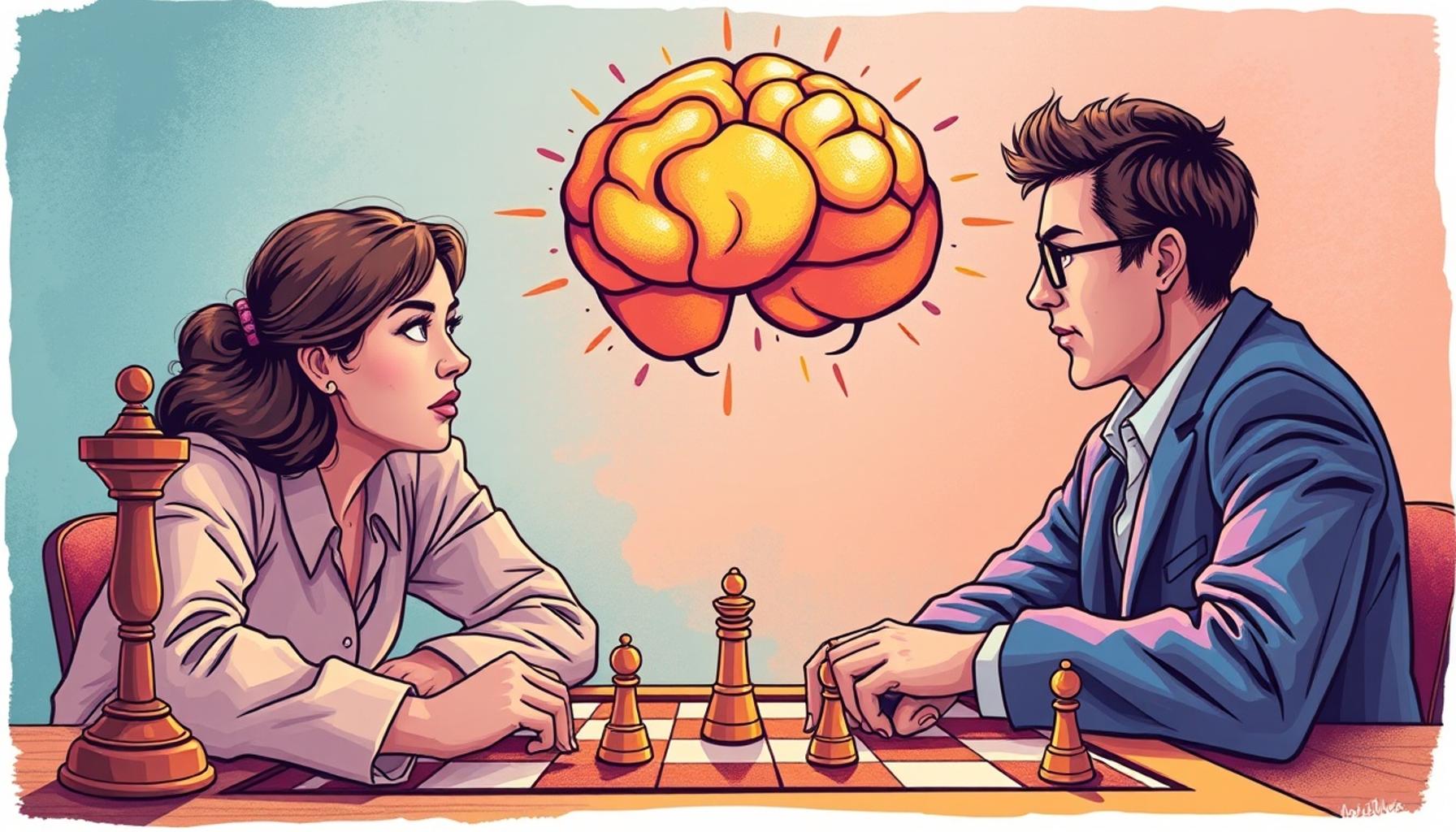
The impact of logical reasoning games on mental health and well-being
Unpacking the Benefits of Logical Reasoning Games on Mental Wellness
As society embraces a more holistic approach to mental health, the influence of logical reasoning games merits investigation that extends beyond their recreational appeal. These games, which include everything from classic board games such as chess and checkers to modern puzzle apps, are increasingly recognized for their multifaceted benefits that contribute to cognitive and emotional well-being.
Research underscores the significance of these games in enhancing mental health through several key avenues:
- Cognitive Development: Engaging with logical reasoning games is an effective way to hone skills such as problem-solving and critical thinking. Studies have shown that individuals who regularly participate in such activities exhibit improved analytical skills, enabling them to tackle everyday challenges more effectively. For example, researchers from the University of Utah found that playing games requiring strategic thinking can lead to better decision-making skills in stressful real-life situations.
- Stress Reduction: Logical games create an immersive environment that facilitates an escape from daily stressors. The focused engagement required by these games can divert attention from anxiety-inducing thoughts, offering temporary relief and promoting relaxation. A study published in the journal *Psychology of Popular Media* highlighted that participants who played puzzle games reported lower levels of anxiety and heightened feelings of relaxation post-game.
- Social Interaction: Many logical reasoning games encourage group play, fostering social bonds and community interactions. Multiplayer games not only provide entertainment but also strengthen relationships through teamwork and friendly competition. For instance, a local chess club not only practices strategy but also builds a supportive network where players share experiences and life lessons, thereby promoting mental wellness in a social context.
The incorporation of logical reasoning games into daily routines spans various forms, making them accessible to a broad audience. From the traditional board games popular at family gatherings to mobile apps like *Sudoku* or *Brain Age*, these activities can easily fit into anyone’s lifestyle. Individuals have reported significant improvements in mood, focus, and overall well-being through consistent engagement with these cognitive challenges.
As discussions about mental health continue to progress, understanding the complexities and transformative effects of logical reasoning games can provide insights that empower individuals. This exploration of how these games foster positive change not only ignites interest but also invites you to incorporate them into your life, potentially reaping their mental wellness benefits.
DIVE DEEPER: Click here to discover how crossword puzzles enhance your vocabulary

Enhancing Cognitive Function Through Engaging Gameplay
The impact of logical reasoning games on mental health and well-being can be analyzed through their profound ability to enhance cognitive functions. The mechanisms behind these games stimulate the brain in ways that are both engaging and rewarding. For example, playing chess not only requires players to strategize and anticipate their opponent’s moves, but it actively engages various cognitive processes such as memory, attention, and executive function. This engagement can lead to improved brain health over time.
Studies have indicated that individuals who regularly partake in activities that challenge their reasoning abilities demonstrate greater cognitive resilience. They often outperform their peers in tests measuring intelligence and can maintain sharper mental acuity as they age. According to research conducted by the University of Toronto, participants who engaged in regular gameplay—whether through traditional puzzles or modern digital applications—showed a measurable decline in cognitive decline, illustrating that such games are not only enjoyable but also serve an essential role in maintaining mental vigor.
- Enhanced Memory Retention: Logical reasoning games encourage players to remember patterns, sequences, and strategies, effectively training their memories. Regular engagement can lead to improved working memory, which is vital for performing day-to-day tasks efficiently.
- Better Concentration: The focused nature of these games aids in developing sustained attention, helping players to concentrate on tasks longer. This increased focus extends beyond gaming and can result in improved productivity in work or academic settings.
- Increased Adaptability: The dynamic nature of many reasoning games requires players to adapt quickly to new situations and challenges, fostering mental flexibility. This adaptability can be beneficial in coping with life’s uncertainties and stresses, thus promoting overall resilience.
The proliferation of digital platforms has made these games more accessible than ever. With mobile apps offering a variety of logical puzzles, players can experience cognitive stimulation on-the-go. Notable games like Portal and even classic offerings like mahjong or crosswords challenge users to think critically and creatively, encouraging a mental workout that can spur feelings of accomplishment and satisfaction. Furthermore, the rise of online multiplayer formats allows for connections among users, fostering community and shared experiences.
Moreover, the psychological benefits derived from logical reasoning games extend far beyond cognitive enhancements. As players immerse themselves in these games, they experience an inherent sense of achievement after overcoming difficult levels or solving complex problems. This sense of accomplishment can lead to increased self-esteem and a more positive outlook on life, translating into improved mental health outcomes. Those who regularly engage in logical reasoning games have reported significant drops in symptoms associated with depression and anxiety, demonstrating the power of structured mental challenges to bolster emotional well-being.
The Impact of Logical Reasoning Games on Mental Health and Well-being
Logical reasoning games are not only entertaining but also serve as powerful tools for enhancing mental health and overall well-being. These games stimulate cognitive functions, provoke critical thinking, and promote problem-solving skills that are essential for everyday life.One significant aspect is how these games improve cognitive agility. Regular engagement with logical puzzles and games has been shown to increase brain plasticity, providing our minds with the required exercises for honing sharp, analytical thinking. Enhanced cognitive functions can lead to better stress management, as individuals equipped with such skills can tackle daily challenges more effectively.Additionally, participating in logical reasoning games can bolster emotional resilience. As players navigate through various challenges, they learn to manage setbacks and frustrations effectively. This process fosters a positive mindset, reinforcing their ability to cope with real-life challenges. By getting accustomed to overcoming hurdles in a virtual environment, players often experience increased confidence in facing obstacles outside the game, culminating in improved mental fortitude.Furthermore, these games can also offer vital social benefits. Many logical reasoning games are designed for multiplayer formats, allowing players to engage and compete with others. This interaction cultivates social connections, which are crucial for mental health. Forming alliances, strategizing with peers, or simply enjoying competition can enhance feelings of belonging and community, leading to lower feelings of isolation or loneliness.To further highlight the advantages, we can explore a structured comparison of various beneficios of logical reasoning games:
| Category | Description |
|---|---|
| Cognitive Benefits | Enhances problem-solving skills and critical thinking, leading to greater cognitive agility. |
| Emotional Resilience | Fosters a positive mindset and increases confidence in managing real-life challenges. |
| Social Connections | Encourages social interaction and fosters relationships helping combat feelings of isolation. |
Logical reasoning games hold the potential for significant positive effects on mental health, encouraging cognitive enhancement, emotional stability, and social cohesion. Their accessible nature makes them an appealing option for individuals seeking to improve their mental well-being through engaging and beneficial activities. This growing body of research aims to bridge the gap between leisure activities and mental health, urging more people to embrace the numerous advantages these games can offer.
DISCOVER MORE: Click here to learn about the impact of jigsaw puzzles on your skills</
Building Social Connections Through Collaborative Gameplay
Another significant aspect of the impact of logical reasoning games on mental health and well-being lies in their ability to foster social connections. Multiplayer formats, whether in-person or online, allow players to engage not only with the challenges of the game itself but also with each other. This interaction can cultivate lasting friendships and a sense of community, acting as a buffer against feelings of loneliness and isolation—a growing concern in today’s digital age.
Games such as Scrabble and Among Us promote collaboration and competition, creating opportunities for players to share strategies and celebrate collective victories. Research from the American Psychological Association highlights that social engagement through gaming can stimulate the release of neurotransmitters like dopamine, which contribute to feelings of happiness and well-being. Engaging with others in logical reasoning challenges not only improves cognitive skills but also provides an emotional outlet that can lead to lower levels of stress and anxiety.
- Community Building: Platforms like Discord or Twitch provide spaces for players to interact while engaging in logical reasoning games. This avenue allows individuals to form connections based on shared interests, promoting a sense of belonging that is vital for mental health.
- Support Systems: Many gamers find solace in their gaming communities, as they share similar frustrations and triumphs related to gameplay. Such support systems can encourage individuals to express their feelings, thus mitigating mental health struggles.
- Skill Sharing: Engaging in logical reasoning games often leads to the exchange of tips and strategies, fostering an environment of mentorship. Players can learn from one another, leading to personal growth and a sense of accomplishment.
The versatility of these games also transcends age and cultural barriers, making them accessible to a diverse audience. For example, a recent study conducted by the National Institute of Health revealed that older adults who participated in virtual game nights reported improved emotional support and camaraderie. The ability to engage in problem-solving in a social context aids in combating cognitive decline while simultaneously strengthening social bonds.
The emotional rewards of sharing gaming experiences cannot be overstated. A 2022 survey conducted by the Entertainment Software Association found that 70% of respondents felt that gaming strengthened relationships with friends and family. The collaborative nature of solving intricate puzzles or strategizing together fosters teamwork and communication skills that are beneficial beyond the game itself, enriching interpersonal relationships in daily life.
Furthermore, as technology advances, the inclusion of virtual and augmented reality in logical reasoning games is creating immersive experiences that enhance not only gameplay but also social interaction. Games that incorporate these technologies enable players to engage in a shared environment, making teamwork all the more vital. For instance, Keep Talking and Nobody Explodes requires players to communicate effectively to defuse a bomb, thus sharpening both logical reasoning abilities and communication skills in a high-pressure environment.
In essence, the dual benefits of cognitive engagement and social connection derived from logical reasoning games can have a profound impact on individuals’ health and overall well-being. The unique blend of mental challenges and social interaction positions these games as powerful tools for enhancing mental health in various demographics, emphasizing the importance of community along with cognitive stimulation.
DIVE DEEPER: Click here to discover more
Conclusion: Enriching Minds and Communities
In conclusion, the impact of logical reasoning games on mental health and well-being is multifaceted, offering both cognitive and social benefits that resonate across various demographics. As highlighted throughout this article, these games serve as effective tools for enhancing critical thinking and problem-solving skills while simultaneously fostering a sense of community and belonging. The collaborative nature of gameplay not only stimulates individual minds but also builds social networks that can alleviate feelings of isolation, a critical concern in our increasingly digital world.
Moreover, the ability of logical reasoning games to facilitate emotional connections among players contributes significantly to mental wellness. The shared experiences and support systems built within gaming communities allow individuals to navigate their feelings and challenges, creating a safe environment for emotional expression. This dynamic highlights the potential of gaming as more than mere entertainment; it serves as a viable means of promoting mental well-being.
As technology continues to evolve, the incorporation of innovative features like virtual and augmented reality will further enrich these interactive experiences, making them even more impactful for mental health. Future studies could deepen our understanding of how specific game mechanics influence psychological outcomes, offering invaluable insights into harnessing the power of gaming for broader therapeutic applications.
Ultimately, as we recognize the profound effects of logical reasoning games on mental health and social well-being, it becomes increasingly important to advocate for their integration into daily life, not just as a pastime but as a meaningful approach to fostering resilience and joy in an ever-changing world.
Related posts:
How Logic Puzzles Can Be Used as Therapeutic Tools
How Logic Games Can Foster Collaboration and Teamwork
How Logic Challenges Can Improve Decision-Making in Everyday Life
The importance of logical reasoning in solving complex puzzles
Developing Logical Thinking Skills Through Board Games
Exploring the relationship between logical reasoning and creativity in puzzle solving

Linda Carter is a writer and puzzle expert specializing in mind games, brain teasers, and cognitive challenges. With extensive experience helping individuals enhance their problem-solving skills and think critically, Linda shares her knowledge on our platform. Her goal is to empower readers with practical advice, engaging puzzles, and strategies to sharpen their minds and achieve success in the captivating world of mind games and puzzles.