The Psychology Behind Logic Games: How Solving Puzzles Improves Critical Thinking

Exploring the Cognitive Benefits of Logic Games
In our fast-paced, technology-driven society, the need to refine our critical thinking skills has become more crucial than ever. Logic games, often misunderstood as simple diversions, are rich in potential to stimulate our minds and foster significant cognitive growth. They offer more than mere entertainment; they play a pivotal role in nurturing our intellect and problem-solving abilities.
One of the most notable advantages of engaging with logic games is their ability to enhance problem-solving skills. By regularly tackling various puzzles, individuals develop a systematic approach to analyzing complex issues. For instance, take Sudoku, a popular game that challenges players to fill a grid with numbers while adhering to specific rules. This game prompts players to create strategies, eliminating options and honing their analytical skills. In a workplace scenario, these enhanced skills translate into better decision-making and more effective project management.
Moreover, logic games serve as pivotal exercises in boosting analytical thinking. These games compel players to dissect problems into smaller, manageable components, enabling them to evaluate situations more critically. Consider chess, a classic game renowned for its strategic depth. The necessity to anticipate an opponent’s moves fosters a mindset conditioned for critical evaluation and strategic foresight. Such analytical prowess is invaluable not only in games but also in everyday situations, from planning a budget to navigating interpersonal relationships.
Another dimension worth noting is the impact of logic games on memory retention. Many require players to recall strategies, patterns, or even sequences relevant to the game. For example, the game of “20 Questions” challenges players to remember previous answers while formulating new questions, enhancing their short-term memory. This practice directly contributes to better long-term memory retention, an essential skill needed in academic settings and professional environments alike.
Logic games are not just about thinking within the lines; they also encourage creativity. Players often need to think outside conventional frameworks to arrive at solutions. A common example can be found in lateral thinking puzzles, where the answer is frequently surprising and counterintuitive. These moments of discovery not only invigorate the brain but also cultivate a mindset open to innovative solutions, which is a crucial asset in today’s ever-evolving job market.
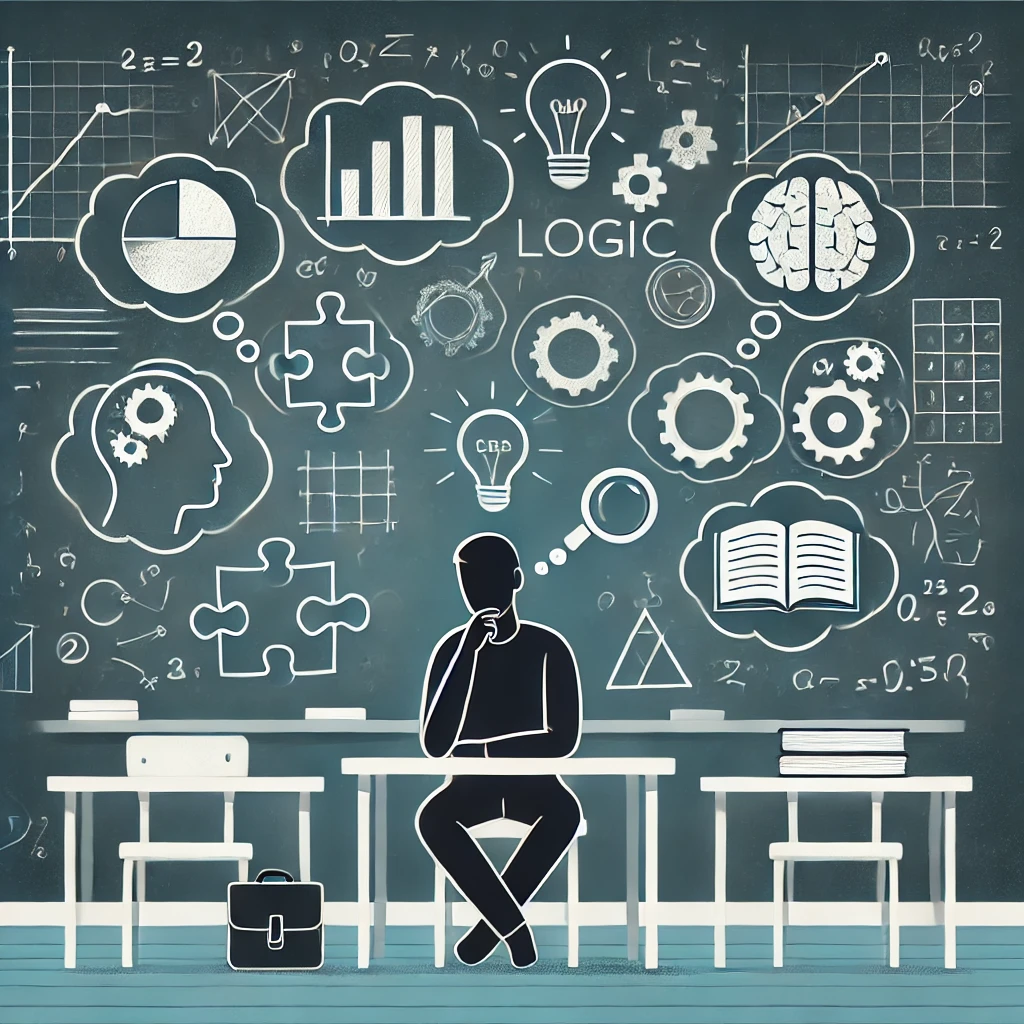
Scientific research backs these claims, revealing that regularly engaging with puzzles can induce changes in brain structure and function, leading to sharper mental agility. Neuroplasticity, the brain’s ability to reorganize itself by forming new neural connections, can be significantly influenced by such cognitive exercises. This means that the time invested in logic games is not only enjoyable but can also result in lasting cognitive enhancements.
As we explore the myriad benefits of logic games, it becomes clear that their value extends far beyond mere enjoyment. So why not embrace these mental challenges? By incorporating logic games into your routine, you may uncover transformative effects that improve both your cognitive abilities and your overall approach to problem-solving. Are you ready to unlock your mind’s potential through these engaging puzzles?
DIVE DEEPER: Click here to uncover the benefits of creative board games
The Mental Mechanics of Problem Solving
The world of logic games is more than just a playground for the brain; it is a dynamic environment that allows for the practice of essential cognitive skills. Within this spectrum of mental exercise, players are frequently confronted by challenges that require a multitiered approach to problem-solving. As they engage with these games, they unknowingly undergo rigorous training that sharpens their ability to think critically.
At the core of logic games lies the concept of pattern recognition. Players learn to identify common sequences and outcomes, a skill that is transferable to real-world situations. For example, the game of Connect Four involves not only visual-spatial skills but also the ability to anticipate an opponent’s moves while simultaneously developing offensive and defensive strategies. This dual focus on immediate gameplay and foresight is a practice ground for enhancing situational awareness—a critical component of decision-making.
Engaging with logic games also fosters metacognition; the awareness and understanding of one’s own thought processes. When players analyze different strategies and their effectiveness in games like Bridge or Poker, they are prompted to reflect on their reasoning and approach. This self-reflection enhances not only their understanding of the game but also their general ability to evaluate their reasoning in daily life.
Cognitive Flexibility: Adapting to New Challenges
One of the most valuable traits developed through logic games is cognitive flexibility. The ability to adapt one’s thinking to new and unexpected challenges is essential in our rapidly changing world. Games such as Rubik’s Cube exemplify this trait, requiring players to frequently adjust their tactics based on the current state of the puzzle. This adaptability is crucial in various professional fields, from technology innovation to strategic planning.
- Enhanced Decision-Making: Players learn to weigh options quickly and efficiently, applying lessons from each game to real-life decisions.
- Increased Resilience: Failure in games encourages players to analyze mistakes, leading to better outcomes in future attempts, a vital aspect of maintaining perseverance.
- Teamwork and Social Skills: Many logic games are played in groups, fostering collaboration and communication—skills that translate well into both workplace environments and personal relationships.
Throughout history, the psychological principles underlying logic games have captured researchers’ attention. Studies have shown that habitual engagement with puzzles can lead to improved executive function—the mental processes involved in planning, focusing attention, and juggling multiple tasks. This enhancement in cognitive function is not merely a byproduct of playing; it reflects a deeper neural engagement that promotes long-term growth and adaptation within the brain.
As we delve deeper into the psychology behind these games, it becomes increasingly evident that their impact reaches beyond simple entertainment. They serve as critical training sessions for the mind, one puzzle at a time. The transference of skills cultivated through logic games—whether in problem-solving, adaptability, or decision-making—plays a significant role in navigating the complexities of modern life.
| Category | Key Features |
|---|---|
| Improved Problem-Solving Skills | Logic games challenge players to harmonize disparate elements, teaching them to analyze situations systematically. |
| Enhanced Mental Flexibility | Engaging with various puzzles encourages shifting perspectives and adapting strategies — vital components of critical thinking. |
| Cognitive Resilience | Regular puzzle-solving builds cognitive resilience, allowing individuals to overcome challenges and persist through obstacles. |
| Stronger Memory Retention | Logic games often involve remembering previous moves or patterns, boosting overall memory capabilities. |
| Empowered Decision-Making | The strategic nature of these games improves the ability to make quick, sound decisions in real-world situations. |
The fascinating world of logic games is more than just entertainment—it serves as a substantial means to enhance our critical thinking. When immersed in these puzzles, players engage in a dynamic interplay of analyses and logical deductions. This process not only entertains but also fortifies a fundamental aspect of our cognition. As players encounter increasingly complex scenarios, they develop the ability to view problems from multiple angles, thereby fostering mental flexibility. Each solved puzzle contributes significantly to building a cognitive toolkit that greatly aids in effective decision-making. Moreover, these games create a safe space for failure, allowing individuals to learn resilience. Mistakes become learning opportunities, which empower players to refine their approaches in future challenges. Through consistent practice, the cognitive benefits provided by logic games can lead to profound improvements in mental agility, memory, and the overall quality of decision-making. Each session emerges as both an enlightening experience and a pathway to personal growth, thereby making logic puzzles a compelling area of exploration for anyone eager to sharpen their critical thinking abilities.
DIVE DEEPER: Click here to uncover more insights
Building Memory and Information Retention
Another remarkable aspect of engaging with logic games is their capacity to enhance memory and information retention. As players delve into complex puzzles and intricate game scenarios, they are often required to recall previous moves, opponent strategies, or even specific rules that govern the game. This process is not unlike studying for a big exam or navigating a new set of professional guidelines, where the ability to store and retrieve information can significantly impact performance.
Research suggests that playing games like Sudoku or logic-based card games can stimulate different types of memory. For example, spatial memory, which helps individuals remember the locations of items or the layout of a game board, is sharpened as players map out their strategies. Meanwhile, active recall, which involves pulling information from memory rather than passively reviewing it, is emphasized heavily in games that require players to remember prior actions and their consequences.
Stress Relief and Enhanced Focus
In addition to cognitive advancements, the emotional landscape shaped by logic games plays a crucial role in enhancing critical thinking. The act of engaging with a challenging puzzle can serve as a welcome distraction from daily stressors, allowing individuals to focus intently on a particular problem without the interference of external pressures. This phenomenon, known as flow state, occurs when a player becomes completely absorbed in the game, leading to heightened concentration and creativity.
Moreover, the calming nature of many logic games, such as chess or jigsaw puzzles, can diminish anxiety levels and promote a sense of well-being. This emotional stability allows players to approach problems with a clearer mindset, thereby fostering better decision-making skills. When the mind is unencumbered by stress, it is free to explore innovative solutions and perspectives.
Interdisciplinary Learning: Logic Games as Educational Tools
The educational implications of logic games are profound. For instance, educators have increasingly adopted games such as Escape Rooms in classrooms to cultivate critical thinking and teamwork among students. These immersive experiences promote collaboration while demanding quick problem-solving skills, all within a condensed timeframe. A study published in the Journal of Educational Psychology demonstrated that students who engage with logic-based games consistently outperform their peers in critical thinking assessments.
This trend is also visible in the tech industry, where companies apply game theory to develop strategic solutions for real-world problems. Firms like Google and IBM utilize logic games in training sessions, viewing them as valuable tools for enhancing analytical skills and innovation. By simulating complex scenarios that require critical thinking, employees emerge with refined problem-solving abilities applicable to their daily roles.
Ultimately, the growing interest in the intersection of psychology and logic games opens new avenues for research and development. As cognitive science continues to investigate how these challenges impact mental function, there remains a compelling case for integrating logic games into our daily routines—not only for entertainment but as a means to empower our critical thinking skills and reshape how we solve problems in all aspects of life.
DIVE DEEPER: Click here to uncover more insights
Conclusion: Embracing Logic Games for Cognitive Growth
As we navigate an increasingly complex world, the importance of developing and refining our critical thinking skills cannot be overstated. Engaging in logic games provides a unique opportunity to enhance these skills through various cognitive processes, including problem-solving, memory retention, and emotional regulation. The insights uncovered through this exploration reveal that logic games serve not merely as a form of entertainment but as powerful tools for mental development.
The intersection of psychology and logic gaming underscores the significant impact of challenging puzzles on our cognitive function. From honing memory retrieval abilities to unlocking new levels of creativity through focused engagement, these games invite players to experience a dynamic mental workout. Additionally, the emotional benefits of stress relief and improved concentration contribute to an overall state of well-being—qualities critical in our fast-paced environment.
As schools and workplaces begin to recognize the value of these games, integrating logic puzzles into daily routines could lead not only to enhanced cognitive skills but also to improved collaboration and innovation. Future research and practical applications are set to illuminate even more of the profound effects that solving puzzles can have on our thinking processes. Ultimately, embracing logic games can pave the way for a more analytical, creative, and capable society, where individuals are equipped to tackle challenges across all facets of life.
In conclusion, whether through a fun evening of Sudoku or tackling an Escape Room challenge, incorporating logic games into our lives presents an engaging avenue to sharpen our minds and elevate our critical thinking abilities. The journey of discovery and growth is not just within the game; it extends into our everyday decision-making, allowing us to explore uncharted territories in thought and action.
Related posts:
Spatial Reasoning in Action: The Role of 3D Puzzles in Solving Challenges
Developing Critical Skills: The Impact of Board Games on Problem Solving
Visual Puzzles: Developing Intuition and Critical Analysis
Developing Problem-Solving Skills Through Board Games: An Analysis of Strategies
The Impact of Team Strategy Games on Collaborative Problem Solving
Developing Resilience: How Survival Games Enhance the Ability to Face Challenges

Linda Carter is a writer and puzzle expert specializing in mind games, brain teasers, and cognitive challenges. With extensive experience helping individuals enhance their problem-solving skills and think critically, Linda shares her knowledge on our platform. Her goal is to empower readers with practical advice, engaging puzzles, and strategies to sharpen their minds and achieve success in the captivating world of mind games and puzzles.