The Role of Strategy Games in Developing Critical Thinking and Planning Skills

The Impact of Strategy Games on Skills Development
In today’s fast-paced world, the ability to think critically and plan effectively is more important than ever. Strategy games, whether in tabletop or digital form, have emerged as valuable tools for honing these essential skills. They provide immersive environments that challenge players to navigate complex scenarios while developing their cognitive abilities.
Strategy games require players to engage with multiple elements simultaneously. Here are some vital aspects of how these games contribute to skill enhancement:
- Problem Solving: Players are often presented with intricate challenges requiring innovative solutions. For instance, in games like Settlers of Catan, players must negotiate trade-offs to overcome resource scarcity, fostering creativity in problem-solving.
- Decision Making: Quick and informed choices are necessary to progress, enhancing players’ ability to make critical decisions under pressure. In fast-paced digital games such as StarCraft II, players must evaluate risks and rewards rapidly, promoting decisive thought processes.
- Resource Management: Many strategy games involve managing limited resources, teaching players the importance of planning and prioritization. Titles like Civ VI require players to balance economy, military, and science while allocating resources judically to secure victory.
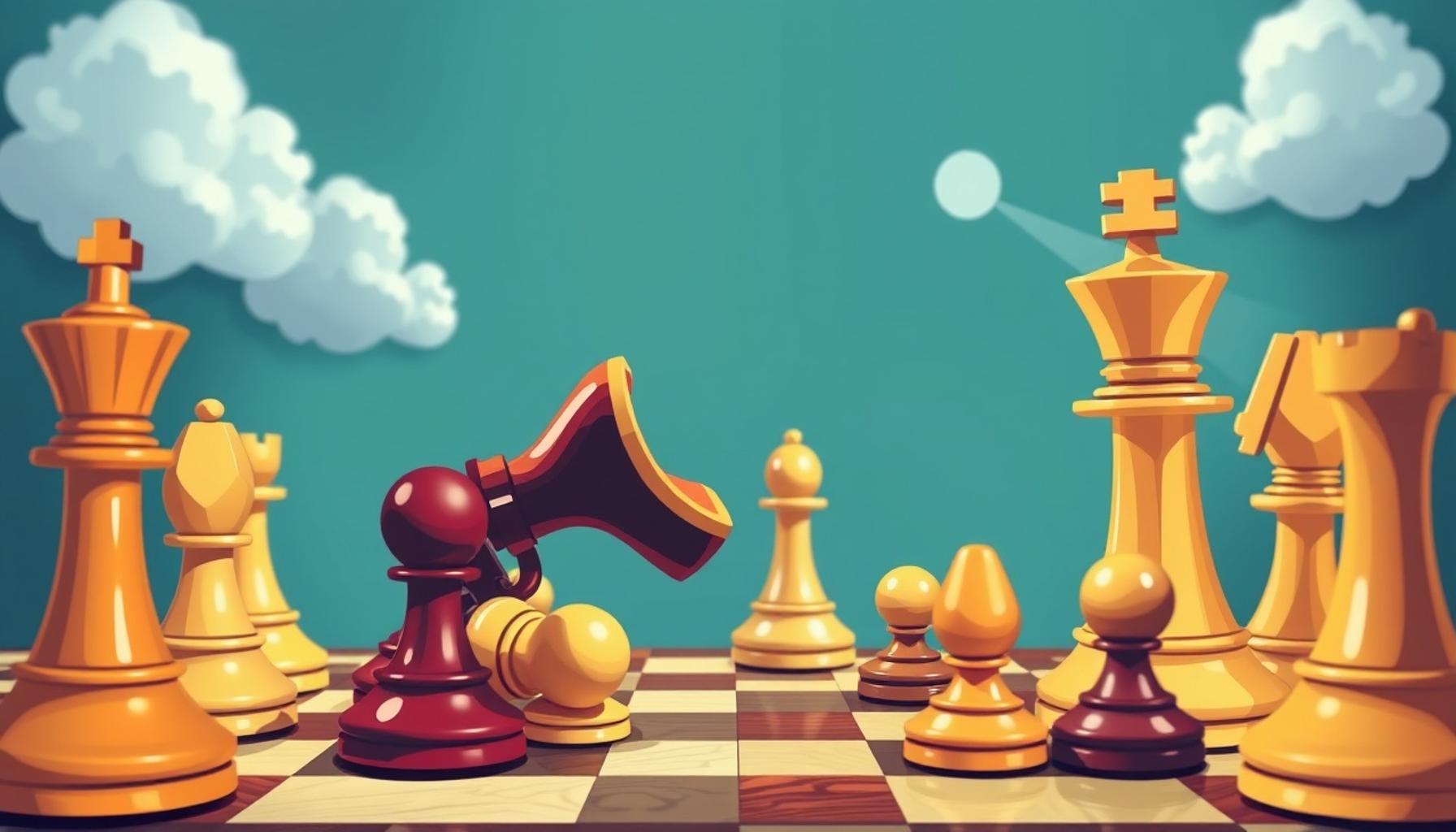
- Long-Term Planning: Success often depends on the ability to think several steps ahead, promoting strategic foresight. In games like Chess, players map out their moves several steps in advance, which helps in recognizing potential threats and opportunities on the board.
Moreover, research suggests that these games can positively influence various age groups. From children, who may improve their cognitive skills through engaging gameplay, to adults who can enhance their strategic thinking and risk assessment abilities, the benefits are widespread. For example, a study by the organization ESA indicates that 60% of American adults play games, reflecting a shift in how individuals engage with technology and develop skills.
Another area of growing interest is the educational potential of strategy games. Schools and educators are increasingly using game-based learning to bolster students’ engagement and comprehension of complex subjects. By embedding these critical thinking moments into gameplay, educators can offer students valuable lessons in history, mathematics, and even social studies as they develop strategic skills.
As the popularity of strategy games continues to rise in the United States, understanding their effects could lead to a more engaged and capable populace. These games not only serve as entertaining pastimes but also cultivate essential life skills that can aid individuals in navigating real-world challenges.
Exploring the connection between strategy games and the development of critical thinking and planning skills can reveal fascinating insights into how we learn and adapt in an ever-evolving landscape. Ultimately, embracing the potential of strategy games may hold the key to nurturing future generations of problem solvers, decision-makers, and strategic planners.
DISCOVER MORE: Click here to delve deeper
Enhancing Cognitive Abilities Through Gameplay
Strategy games are not just a source of entertainment; they are also a powerful medium for developing critical thinking and planning skills. These games present players with scenarios that require them to assess situations from multiple angles, evaluate potential outcomes, and devise effective strategies to achieve their goals. As such, the cognitive processes engaged during gameplay can lead to meaningful skill development that transcends the virtual realm.
One of the most immediate skills players enhance in strategy games is problem solving. Each game typically presents a unique problem, whether it be battling opponents in a dense multiplayer battlefield or negotiating trades in an intricate economic simulation. In games like Age of Empires, players must not only build civilizations but also address resource limitations and external threats. This encourages players to think creatively and devise solutions that may not be immediately apparent, laying the groundwork for innovative thinking.
Another crucial skill sharpened by strategy games is decision making. Players are often placed in high-stakes situations where rushing can lead to catastrophic consequences. For example, in Magic: The Gathering, a player’s decisions can ultimately lead to either victory or defeat within the span of a few turns. The ability to weigh risks against potential rewards becomes paramount, fostering analytical skills that can aid in real-life choices, whether in business or personal situations.
- Time Management: Many strategy games have strict time limits, pushing players to prioritize tasks efficiently. In games like StarCraft II, players must manage not just resources, but also the timing of their unit production and research to keep pace with opponents.
- Teamwork: Multiplayer strategy games often emphasize collaboration. Playing as part of a team in titles like League of Legends requires players to communicate effectively, forge alliances, and coordinate strategies to succeed, enhancing both interpersonal and strategic skills.
- Adaptability: In the face of unexpected challenges—like an opponent changing tactics mid-game—players must remain flexible and adapt their strategies. This skill is crucial in real-world situations where plans frequently require adjustments.
Moreover, the educational implications of strategy games are becoming increasingly recognized. Schools are beginning to integrate these games into their curriculums to create engaging learning experiences. Evidence has shown that students who play strategy games exhibit greater engagement and enthusiasm in subjects like mathematics and history, as they are able to apply theoretical knowledge in a practical context. By doing so, educators can tap into the inherent motivation that games provide while simultaneously fostering critical thinking skills.
As research continues to uncover the profound effects of strategy games on cognitive development, it’s clear that their role is multifaceted. They not only enhance players’ recreational experiences but serve as dynamic platforms for cultivating indispensable life skills. Understanding this dual impact can pave the way for more strategic approaches in education and personal development.
The Role of Strategy Games in Developing Critical Thinking and Planning Skills
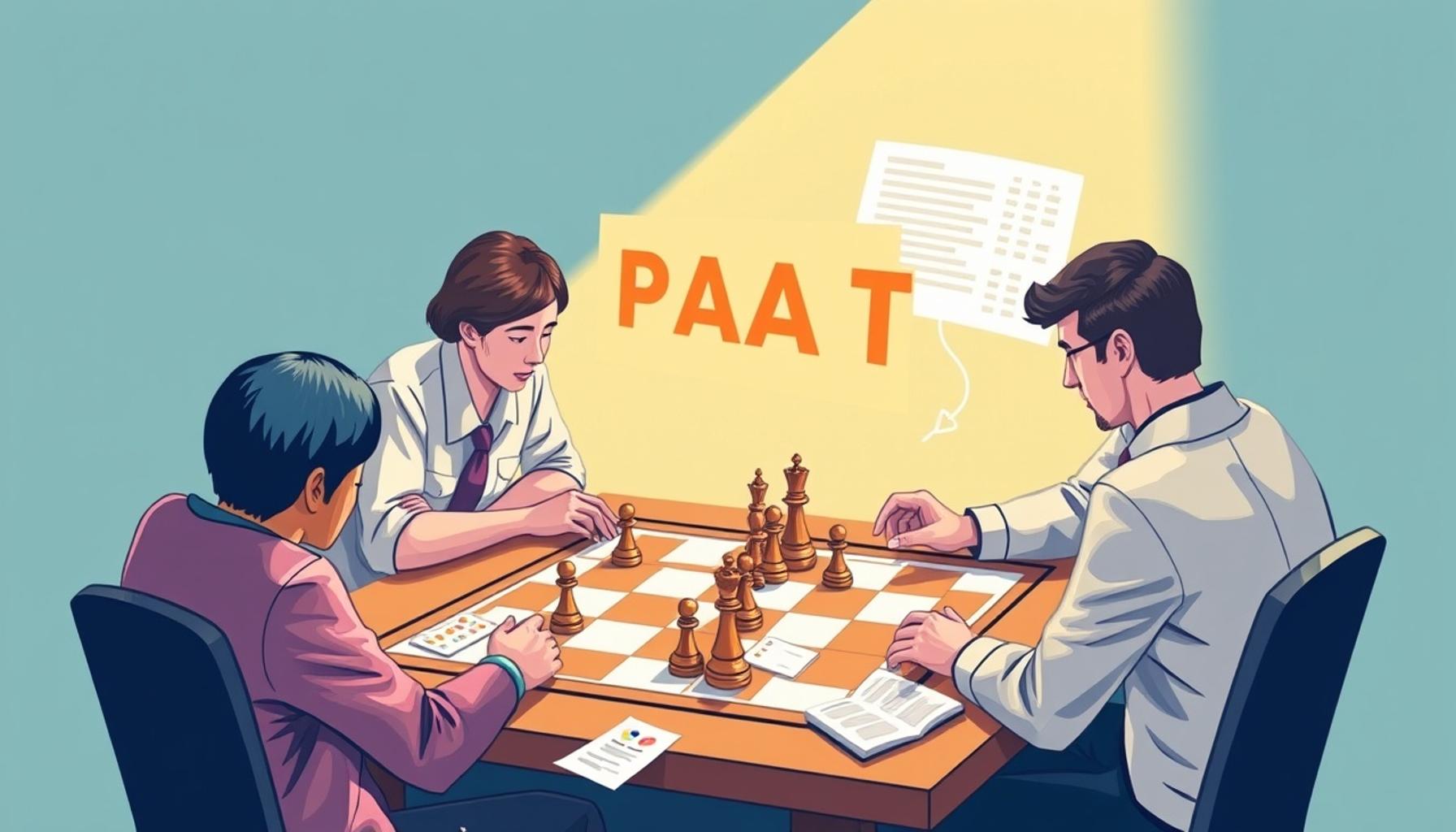
Strategy games are not merely a form of entertainment; they serve as a powerful medium for nurturing critical thinking and effective planning skills. These games require players to analyze situations, strategize maneuvers, and anticipate opponents’ moves, which directly engages the mind in a multitude of cognitive processes. Many studies have shown that participants of strategy games exhibit superior problem-solving abilities compared to their counterparts who engage in other leisure activities. For instance, the intricacies involved in games like chess or real-time strategy (RTS) games necessitate a high level of foresight and adaptability—skills that are transferable to real-world situations like project management and decision-making scenarios.Moreover, strategy games often simulate complex environments where players must navigate limited resources and time constraints. This aspect helps in honing planning and organization abilities, making participants adept at prioritizing tasks and managing risk. The adaptive thinking required for winning in these games fosters a sense of resilience, which is invaluable in both academic and professional paths.The impact of strategy games extends beyond individual skill development; they can also enhance team-building capabilities. Multiplayer strategy games require coordination and communication, essential qualities in collaborative environments. Therefore, by engaging in these games, individuals learn the importance of teamwork, negotiation, and collective problem-solving.To explore the deeper connections between strategy games and cognitive skill enhancement, we can examine their structural components, which challenge players intellectually and strategically. In this light, the intersection of fun and learning becomes increasingly significant, fostering an energetic environment for skill acquisition that players may not even realize is taking place. In summary, integrating strategy games into our lives can profoundly influence our cognitive capacities, equipping us with tools necessary for effective critical thinking and strategic planning. The journey from player to proficient thinker begins at the gaming table.
| Category | Advantages |
|---|---|
| Enhancing Critical Thinking | Players analyze complex problems, evaluating various outcomes and making informed decisions. |
| Improving Planning Skills | Players must strategize resource allocation and tactics to achieve specific objectives within time limits. |
DIVE DEEPER: Click here to discover the connection between emotions and memory
Real-World Applications of Strategic Thinking
Delving deep into the mechanics of strategy games unveils their significant contributions to both personal and professional development. Players are not only engaging in virtual conflicts but also mirroring the complexities of real-life challenges that demand strategic planning, foresight, and critical analysis. The transferability of skills honed in these games to everyday situations highlights their educational value outside the gaming realm.
For instance, in the business sector, the principles of strategic planning found in popular strategy games can be directly applicable. Companies often face competition demanding creative solutions and effective resource management under pressure. A game like Civilization not only teaches players to navigate through technological advancements and cultural development but also instills the need for long-term vision—skills that are increasingly sought after in corporate environments. Studies suggest that individuals who routinely engage in these types of games exhibit enhanced performance in strategic decision-making roles, showcasing a blend of creativity and caution that is essential for business success.
The development of leadership skills is another critical component nurtured through tactical gameplay. In team-based games, players are often tasked with assuming leadership roles, requiring them to coordinate efforts, motivate teammates, and delegate responsibilities effectively. This mirrors real-world leadership scenarios, where successful outcomes often depend on an individual’s ability to inspire and align a group towards common objectives. Data from various leadership training programs indicate that individuals familiar with strategy games tend to excel in environments necessitating collaborative efforts and conflict resolution.
Academic Collaborations and the Gamification of Learning
The increasing recognition of strategy games as tools for educational enhancement has prompted various academic institutions to incorporate game-based learning into their curricula. One noteworthy initiative includes the development of customized educational strategy games that seamlessly integrate subjects such as mathematics, history, and economics. For example, the SimCity franchise has been utilized in classroom settings to teach urban planning principles, encouraging students to think critically about civic design, resource allocation, and sustainability.
Engaging students through such interactive formats has been shown to improve not just academic performance but also fosters a more profound understanding of complex concepts. Research suggests that students participating in game-based learning exhibit higher retention rates and greater enthusiasm for subjects traditionally deemed challenging. This method of gamification represents a shift in how educational content is delivered, emphasizing active participation over passive absorption.
Community Building and Social Skills
Furthermore, strategy games have the remarkable capability to foster community and forge connections among players. Online platforms like Warcraft III provide environments for players to collaborate and strategize together, creating social networks that transcend geographical boundaries. These interactions promote an essential aspect of critical thinking, as players must negotiate, share insights, and adapt to diverse perspectives, enhancing their interpersonal skills.
The growing prominence of esports, where teams engage competitively in various strategy games, further highlights the alignment of gaming with real-world social dynamics. As players train together and face challenges, they build not only their tactical capabilities but also their capacity for teamwork and resilience in face of adversity—qualities that are invaluable in both personal relationships and professional scenarios.
In summary, the multifaceted skills developed through strategy games extend well beyond the boundaries of the screen, offering valuable lessons in strategic thinking, collaboration, and critical analysis that are relevant to everyday life. As more players embrace the strategic domain, the potential for benefiting from these experiences continues to expand, setting the stage for future analytical minds to flourish.
DISCOVER MORE: Click here to delve into the benefits of daily puzzle routines
Conclusion
In an age where problem-solving and critical thinking are paramount, strategy games have emerged as powerful tools for cultivating these essential skills. By immersing players in complex scenarios that require strategic planning, foresight, and adaptation, these games simulate real-life challenges that individuals frequently face in personal, academic, and professional environments. The art of navigating competition, managing resources, and making pivotal decisions teaches players the importance of long-term vision—attributes that are invaluable in today’s fast-paced world.
Furthermore, the collaborative nature of many strategy games fosters community building and enhances social skills, allowing players to engage with diverse perspectives and develop effective communication practices. This interaction not only nurtures individual growth but also contributes to collective problem-solving and resilience in collaborative settings. With the advent of gamification in education, institutions are harnessing the educational potential of strategy games, leading to greater engagement and improved retention of complex subject matter among students.
As we continue to uncover the myriad benefits of strategy games, one thing becomes increasingly evident: they are not merely a source of entertainment but also a profound medium for developing critical thinking and planning skills. By embracing the strategic mindset fostered through gameplay, individuals can enhance their cognitive abilities and prepare themselves for the challenges of the real world. The future lies in recognizing and leveraging these opportunities, paving the way for a generation of thinkers and planners equipped to navigate the complexities of contemporary life.
Related posts:
Enhancing Memory Retention Through Word Puzzles: A Scientific Approach
The Impact of Sudoku on Cognitive Flexibility and Problem-Solving Skills
Exploring the Benefits of Chess in Enhancing Analytical and Decision-Making Skills
The Role of Digital Brain Games in Promoting Cognitive Agility and Quick Thinking
How Riddles and Brain Teasers Foster Creative Thinking and Innovation
Investigating the Effects of Escape Room Challenges on Logical Reasoning and Team Dynamics

Linda Carter is a writer and puzzle expert specializing in mind games, brain teasers, and cognitive challenges. With extensive experience helping individuals enhance their problem-solving skills and think critically, Linda shares her knowledge on our platform. Her goal is to empower readers with practical advice, engaging puzzles, and strategies to sharpen their minds and achieve success in the captivating world of mind games and puzzles.